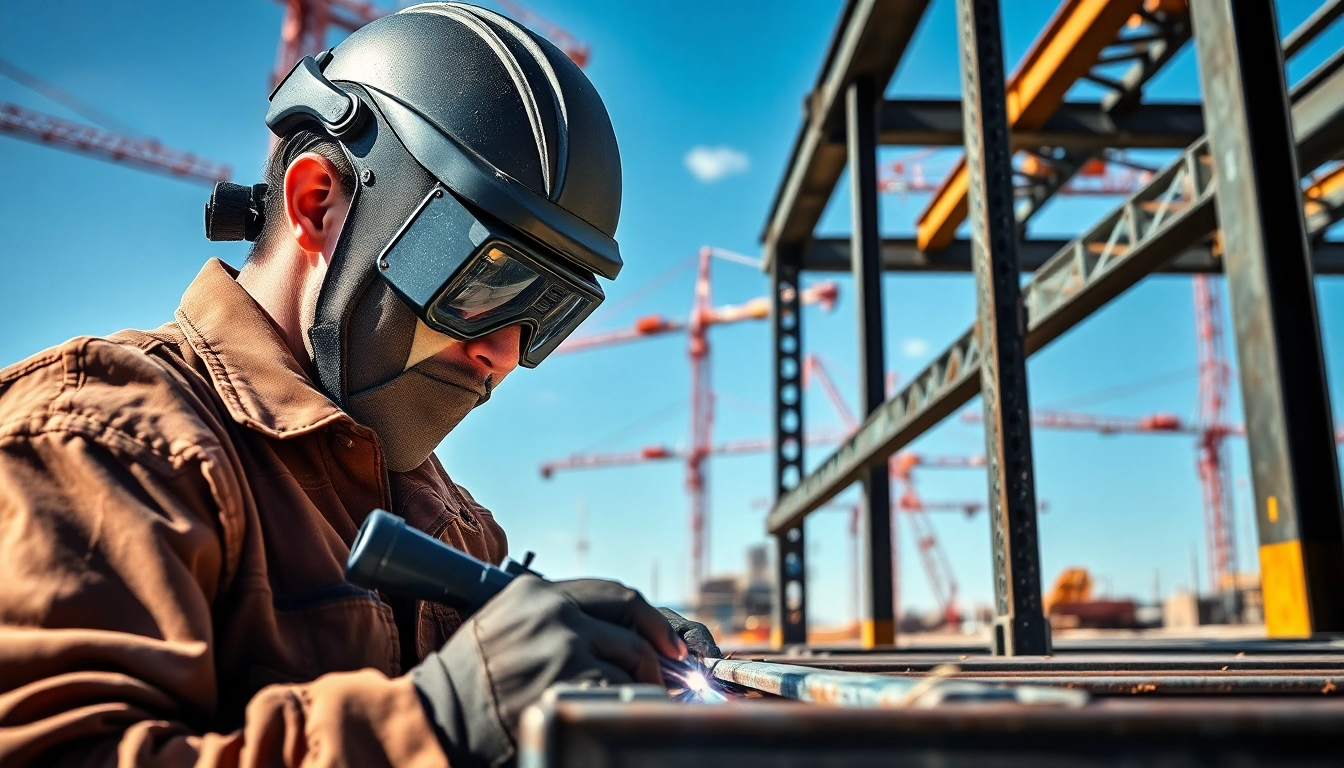

Understanding Structural Steel Installation
Structural steel installation is a critical aspect of modern construction, serving as the backbone for buildings, bridges, and various infrastructures. This robust material is favored for its strength-to-weight ratio and versatility, which make it a prime choice for numerous applications across the construction industry. Understanding the nuances of structural steel installation is vital for architects, engineers, contractors, and project managers aiming to deliver high-quality projects efficiently.
What is Structural Steel?
Structural steel is a category of steel used as a construction material for making steel structures. It is manufactured with a specific shape and chemical composition intended to be used in construction. This type of steel is processed into beams, columns, and other shapes, allowing for high tensile strength and flexibility, making it ideal for creating durable structures.
Key Benefits of Steel in Construction
Structural steel brings numerous advantages to construction projects:
- Durability: Steel structures withstand harsh weather conditions and have a longer lifespan compared to other materials.
- Strength: With its superior strength, structural steel can handle heavy loads and stress without buckling or bending.
- Versatility: It can be shaped and prefabricated to fit various designs and applications, allowing for architectural creativity.
- Cost-Effectiveness: Despite higher upfront costs, its longevity and low maintenance needs lead to lower lifespan costs.
- Rapid Construction: Pre-manufactured elements expedite the installation, significantly reducing project timelines.
Common Applications of Structural Steel
Structural steel is extensively utilized in various sectors, including:
- Commercial buildings: High-rise office complexes and shopping malls often rely on steel frameworks for structural integrity.
- Bridges: Steel is crucial in bridge construction, providing the necessary strength and flexibility.
- Industrial facilities: Factories and warehouses use steel for support structures due to its load-bearing capabilities.
- Residential buildings: Increasingly employed in modern homes, structural steel enhances design options and energy efficiency.
Preparation for Structural Steel Installation
Essential Tools and Equipment
Effective structural steel installation requires a range of specialized tools and equipment, including:
- Cranes: Used for lifting and positioning heavy steel components.
- Welders: Essential for joining steel elements together securely.
- Precision measuring tools: Tools such as lasers and levels ensure accuracy during installation.
- Saws and shears: For cutting steel to the required dimensions on-site.
Site Assessment and Planning
Before any installation begins, a thorough site assessment is crucial. It involves evaluating soil conditions, environmental factors, and existing structures. Factors such as soil stability, underground utilities, and the overall logistics of transporting materials must be considered to ensure a seamless installation process.
Safety Protocols to Follow
Safety is paramount in structural steel installation. All workers should be familiar with and follow OSHA guidelines, including:
- Wearing appropriate personal protective equipment (PPE).
- Conducting safety briefings before tasks commence.
- Regular inspections of equipment and tools.
- Implementing fall protection measures when working at heights.
Steps in the Structural Steel Installation Process
Foundation Preparation
The success of any structural steel project begins with robust foundation preparation. This process includes:
- Conducting soil tests to determine load-bearing capacity.
- Excavating the area to set forms for pouring concrete footers.
- Ensuring proper drainage to prevent water accumulation around the foundation.
Steel Beam Placement Techniques
Once the foundation is ready, the installation of steel beams can commence. Common techniques include:
- Direct placement: Using cranes to lift and set beams from designated locations.
- Temporary supports: Utilized to hold beams in place while welders or bolt connections secure them.
- Sequential installation: Following a planned order based on structural design to ensure stability.
Welding and Connection Methods
Joining steel components requires precision and expertise. Common methods include:
- Welding: Melting and fusing steel components together for a strong bond.
- Bolted connections: Using high-strength bolts to connect steel beams, which facilitate easier disassembly if needed.
- Rivet connections: Typically used in older constructions, rivets can still be seen in historical structures due to their durability.
Challenges in Structural Steel Installation
Dealing with Weather Conditions
Weather can significantly impact installation processes. Rain, snow, or extreme temperatures can delay work and compromise safety. To mitigate these effects, project managers should plan timelines around seasonal weather patterns and have contingency measures like temporary shelters for work crews.
Addressing Material Shortages
Material shortages can disrupt timelines and increase costs. Staying in close contact with suppliers, establishing contracts for critical materials, and maintaining strategic inventory levels can help mitigate risks associated with material shortages.
Managing Workforce Efficiency
Efficient workforce management directly influences project outcomes. Regular training sessions, clear communication, and effective supervision help maintain worker morale and productivity. Utilizing technology for scheduling and reporting can also streamline operations.
Measuring Success: Key Metrics for Structural Steel Projects
Quality Control Standards
Adhering to quality control standards ensures structural integrity and compliance with regulations. Regular inspections at various project stages help identify issues early, ensuring minimal disruptions and high-quality results.
Time Management and Scheduling
Efficient time management practices include detailed project scheduling and milestone tracking. Leveraging project management software can enhance visibility and accountability, facilitating timely project completion.
Cost Estimation and Budgeting
Effective budgeting for steel projects involves accurate cost estimations that consider both direct costs—like materials and labor—and indirect costs, such as permits and overhead. Regular financial reviews ensure that projects remain within budget and enable timely adjustments when necessary.