Understanding Light & Airy Photography
Definition of Light & Airy Photography
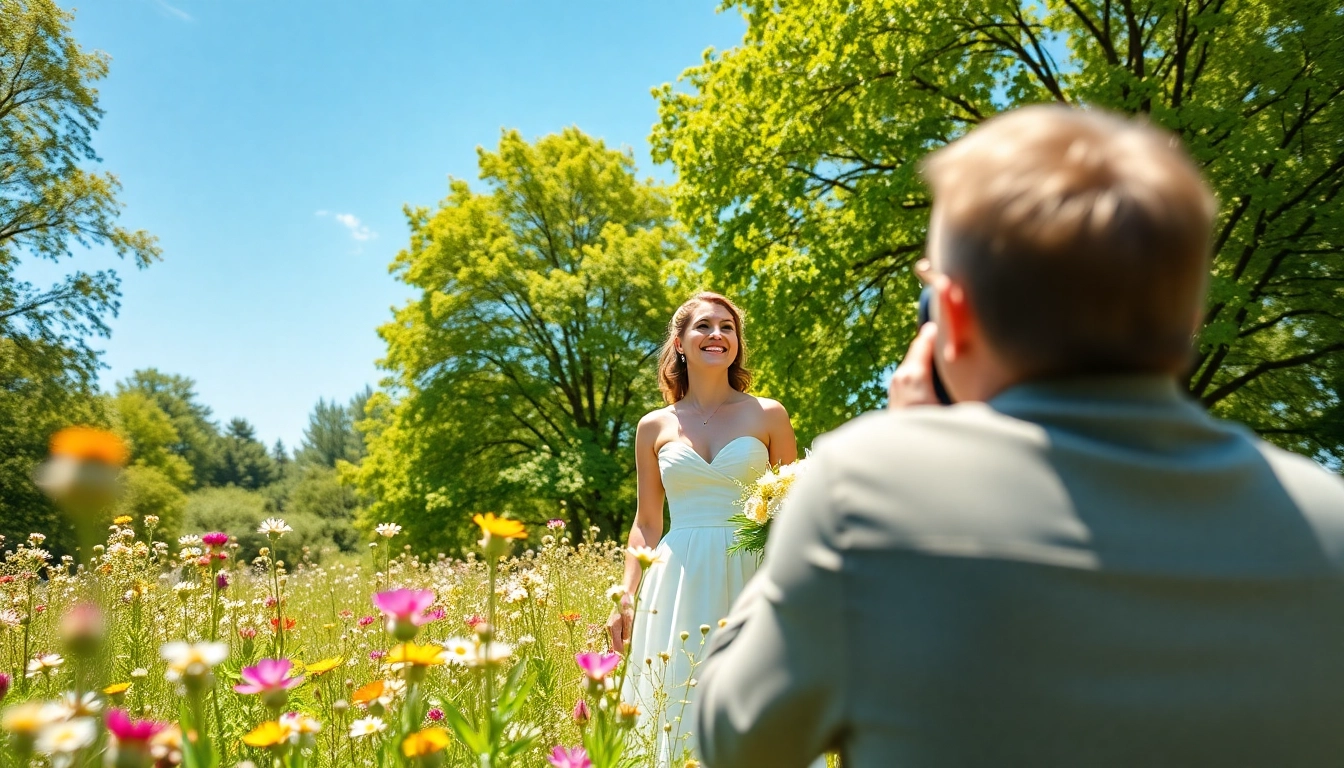
Light & airy photography is characterized by a bright, ethereal quality that evokes feelings of calmness and serenity. This style focuses on capturing images that are well-lit with soft tones and minimal shadows, creating a dreamy aesthetic. Photographers often utilize natural light to achieve this effect, emphasizing pastel colors and well-balanced compositions. The aim is to create an image that feels light, open, and inviting, often leaving viewers with a sense of nostalgia or tranquility.
Key Characteristics of Light & Airy Photography
There are several defining traits of light & airy photography that set it apart from other styles:
- Natural Light: The use of abundant natural light is crucial, as it softens shadows and renders colors gently.
- Soft Color Palette: Photographers often favor pastel shades, whites, and light grays that contribute to the airy quality of the images.
- Minimal Shadows: The style aims to minimize harsh shadows, typically by shooting during golden hour or in shaded areas.
- Clean Compositions: Compositions are often uncluttered, focusing on the subject with soft backgrounds that enhance the overall lightness of the image.
- Dreamy Effects: Techniques such as gentle bokeh or lens flares can create a whimsical, dreamlike quality.
The Importance of Natural Light
Natural light plays a pivotal role in achieving the light & airy aesthetic. It offers a softness that artificial lighting often fails to replicate. The golden hour, just after sunrise or before sunset, provides a warm, flattering glow ideal for this style. Photographers can also utilize diffused light on overcast days to maintain that soft look without harsh contrasts. Light & airy photography thrives on the interplay between light and subject, making the mastery of natural lighting techniques essential.
Essential Equipment for Light & Airy Photography
Recommended Camera Types and Lenses
To effectively capture the light & airy style, specific camera types and lenses can be beneficial:
- Camera Types: DSLRs and mirrorless cameras are recommended due to their versatility and ability to handle various lighting conditions. These cameras often allow for extensive manual control over settings.
- Lenses: A prime lens, such as a 50mm f/1.8 or 85mm f/1.8, is ideal for this photography style, as these lenses provide a sharp focus while allowing for beautiful bokeh. Additionally, wide-angle lenses can help capture expansive outdoor scenes that emphasize the airy quality.
Tips on Using Soft Filters
Soft filters can enhance the light & airy aesthetic by diffusing harsh light and adding a gentle glow. When using these filters, consider the following tips:
- Choose the Right Density: A light diffusion filter can help maintain clarity while softening the image. Experiment with different densities to find what suits your style best.
- Adjust Your Exposure: Since soft filters can reduce light transmission, it may be necessary to adjust exposure settings slightly to ensure bright, well-exposed images.
- Use in Combination: Combine soft filters with your natural lighting technique to enhance the overall effect without sacrificing detail.
Utilizing Reflectors for Optimal Lighting
Reflectors are invaluable tools in light & airy photography. They can bounce natural light onto subjects, filling shadows and providing an even distribution of light. Consider these tips when using reflectors:
- Positioning: Place reflectors at angles that direct light toward your subject, utilizing both sunlight and ambient light effectively.
- Choose the Right Surface: White reflectors provide soft light, while silver reflectors offer a more pronounced shine. Choose based on your desired effect.
- Experiment with Different Sizes: Larger reflectors can capture more light, but smaller options are easier to manage and can still provide sufficient fill for portraits or close-ups.
Techniques to Achieve a Light & Airy Aesthetic
Composition Tips for Beginners
Composition plays a vital role in conveying the light & airy feel. Here are some techniques to consider:
- Rule of Thirds: Align key elements of your composition along imaginary grid lines to create a balanced, pleasing layout.
- Negative Space: Embrace empty space around your subject to enhance the airy feeling and draw attention to the focal point.
- Leading Lines: Use natural lines in your environment to guide the viewer’s eye to the subject, creating a visual flow throughout the image.
Color Palette Choices in Light & Airy Photography
The color palette is a foundational aspect of light & airy photography. Consider these guidelines:
- Pastels and Whiteness: Use soft pastel hues like blushes, light yellows, and mint greens to evoke a light feeling. Whites can offer a clean slate for your compositions.
- Complementary Colors: Pair softer tones with muted colors to create contrast without overshadowing the overall softness of the image.
- Avoid Dark Shades: Steer clear of dark or overly saturated colors that can weigh down the photo and detract from the airy quality.
Post-Processing Techniques to Enhance Brightness
Post-processing can significantly enhance the light & airy aesthetic. Key techniques include:
- Adjust Brightness and Exposure: Increasing brightness can help achieve the desired luminous feel, while exposure adjustments can ensure no details are lost.
- Color Balance: Shift colors towards warmer tones to evoke a sun-kissed effect, but be cautious not to overdo it, maintaining a natural look.
- Softening Details: Use editing tools to blur edges slightly or enhance bokeh effects, emphasizing the dreamy quality commonly found in light & airy photography.
Common Challenges in Light & Airy Photography
Avoiding Shadows and Harsh Lighting
Shadows and harsh lighting can compromise the light & airy aesthetic. To manage this:
- Choose Your Time Wisely: Aim to shoot during optimal lighting conditions, such as early morning or late afternoon, to avoid harsh midday sun.
- Utilize Shade: Position subjects in shaded areas where light is diffused for softer, more flattering effects.
Dealing with Overexposure
While bright images are essential, overexposure can lead to loss of detail. Here’s how to manage it:
- Adjust Settings: Lower your ISO and/or shutter speed to prevent bright highlights from becoming overexposed.
- Check Your Histogram: Use your camera’s histogram to ensure highlights are correctly exposed without clipping details.
Maintaining Mood without Losing Detail
Striking the right mood is critical, but it shouldn’t come at the cost of detail. Tips include:
- Stay Within Limits: When adjusting exposure in post-processing, aim for a bright look while ensuring detail retention in shadows.
- Layer Your Edits: Work in layers during editing to maintain control over how bright or dark each aspect appears, ensuring a balanced outcome.
Inspiring Examples of Light & Airy Photography
Analysis of Successful Light & Airy Shots
Examining successful pieces of light & airy photography can inspire and inform your approach. Focus on the following aspects:
- Lighting Techniques: Notice how natural light is harnessed in different settings, paying attention to the time of day and weather conditions.
- Subject Interaction: Observe how subjects engage with their surroundings and how this interaction contributes to the overall airy feel.
- Color Use: Identify how color palettes complement the lightness in photos. Successful examples often employ similar hues consistent with light & airy aesthetics.
Interviews with Leading Photographers
Gaining insights from established light & airy photographers can deepen your understanding. Consider asking about:
- Approach to Natural Light: Learn how they identify the best lighting conditions and adapt to environmental challenges.
- Thought Process on Composition: Discover their go-to techniques or rules for composing shots that embody the light & airy aesthetic.
- Post-Processing Techniques: Inquire about specific editing techniques that enhance the lightness of their images without sacrificing detail.
How to Create Your Own Signature Style
Developing a signature style is an important quest as a photographer. Here’s how you can cultivate your light & airy aesthetic:
- Experiment Regularly: Keep trying different lighting scenarios, locations, and subject matters to identify what works best for you.
- Practice Consistency: Strive to maintain consistency across your photo portfolio—whether in tones, editing style, or subject matter.
- Gather Feedback: Don’t hesitate to seek constructive criticism from peers to refine and elevate your unique touch.
FAQs about Light & Airy Photography
What is light & airy photography?
Light & airy photography emphasizes bright, soft images with a dreamy quality. It often features lots of natural light and pastel colors.
What equipment do I need for light & airy photography?
A good camera, a versatile lens (like a 50mm), and optional soft filters can help achieve the light & airy style.
How can I achieve a light & airy look in my photos?
Focus on natural lighting, use light backgrounds, and ensure good contrast between subjects and surroundings to capture a light & airy photo.
Is post-processing necessary for light & airy photography?
Post-processing can enhance the light & airy look by adjusting exposure, brightness, and color balance, but strive for a natural feel.
What are common mistakes to avoid in light & airy photography?
Avoid overly harsh shadows, poor lighting conditions, and cluttered backgrounds that can distract from the airy aesthetic.