
Introduction to Structural Steel Welding
Structural steel welding is a critical technique in the construction and metal manufacturing industries. It involves joining metal components to create frameworks that support buildings, bridges, and other infrastructures. With the growing demand for durable and reliable structures, professionals engaged in structural steel welding must possess a strong understanding of various welding methods, safety protocols, and industry standards to ensure high-quality outputs. This article aims to provide a comprehensive overview of structural steel welding, including essential techniques, safety considerations, regulatory standards, and future trends in the field.
What is Structural Steel Welding?
Structural steel welding is the process of fusing metal components, primarily made of steel, using heat and pressure to create strong joints. This process is essential for various applications, including the construction of buildings, bridges, and industrial facilities. The primary objective of structural steel welding is to produce a secure, durable, and reliable connection that can withstand the various stresses and loads imposed by the environment and use.
Welding processes vary significantly depending on the materials being joined, the desired strength of the joints, and the environment in which the welding takes place—such as indoors or outdoors. Common welding techniques used include Shielded Metal Arc Welding (SMAW), Gas Metal Arc Welding (GMAW), and Flux-Cored Arc Welding (FCAW).
Importance of Structural Steel Welding in Construction
The importance of structural steel welding in construction cannot be overstated. Steel structures have several advantages over those made from other materials, such as wood or masonry. These advantages include:
- Strength and Durability: Steel offers high tensile strength, making it ideal for heavy load-bearing applications.
- Speed of Construction: Welding allows for quicker assembly processes when compared to mechanical fastening methods, drastically reducing construction timelines.
- Flexibility and Design Freedom: Steel can be molded and welded into various shapes and sizes, providing architects with greater freedom in their designs.
- Cost-Effectiveness: Although steel structures can have higher initial costs, their long-term durability often offsets these expenses through lower maintenance costs.
Key Terminologies in Structural Steel Welding
Understanding the fundamental terminology associated with structural steel welding is crucial for industry professionals. Some key terms include:
- Weld Joint: The area where two metal pieces are joined together.
- Welding Electrode: A metal rod used to create the weld; it can be consumed during the welding process or remain intact.
- Heat-Affected Zone (HAZ): The area surrounding the weld joint that experiences changes in metal properties due to heat.
- Weld Bead: The final result of the welding process, visible as a raised line of melted metal.
- Back Gouging: A technique used to prepare the opposite side of a welded joint for additional welding.
Common Techniques Used in Structural Steel Welding
Manual Arc Welding vs. Automatic Welding
Welding can be performed using manual or automated techniques, each with its distinct advantages and applications. Manual arc welding, commonly known as Stick welding, involves a welder who manually guides the electrode to form the weld. This technique is versatile and can be used in various positions, making it suitable for fieldwork.
Conversely, automatic welding utilizes machinery and equipment to perform the welding process. While automatic welding can increase productivity and provide more consistent weld quality, it may require a higher initial investment in technology and training. The choice between manual and automatic welding often depends on the project’s scale and the desired outcome.
Common Welding Methods for Structural Steel
Numerous welding methods are employed in structural steel welding, each with specific characteristics and suitability for varying applications:
- Shielded Metal Arc Welding (SMAW): This process uses an electric arc to create heat and join the metals, recognized for its versatility and ability to perform in outdoor settings.
- Gas Metal Arc Welding (GMAW): Also known as MIG welding, GMAW uses a continuous wire feed and an inert gas to shield the weld pool, offering cleaner and quicker welds.
- Flux-Cored Arc Welding (FCAW): Similar to GMAW, this method utilizes a tubular wire filled with flux that provides protection from contamination, making it suitable for outdoor use.
- Tig Welding (GTAW): TIG welding provides precise control over the weld pool, making it ideal for thinner materials and applications where appearance is critical.
- Plasma Arc Welding (PAW): This method uses an ionized gas arc to melt metals, providing high precision with minimal heat input, typically used for specialized applications.
Factors Influencing Welding Technique Selection
Selecting the appropriate welding technique depends on several factors, including:
- Material Thickness: Thicker materials may require more robust welding methods, such as SMAW or FCAW, while thinner materials might be better suited for GMAW or TIG welding.
- Environment: Outdoor projects can benefit from methods like FCAW, which perform well in windy conditions.
- Production Speed: When time is a critical factor, automatic and semi-automatic methods like GMAW may be preferred.
- Skill Level: The welder’s expertise can determine the viable techniques; skilled welders may excel in manual methods, while novice welders might benefit from automatic options.
Safety Considerations in Structural Steel Welding
Essential Safety Gear for Welders
Welding poses several hazards, making the use of personal protective equipment (PPE) essential. Essential gear includes:
- Welding Helmets: Designed to protect eyes and face from sparks, heat, and harmful UV rays.
- Flame-Resistant Clothing: Prevents burns from sparks and hot metal.
- Gloves: Heavy-duty gloves protect hands from heat and cuts.
- Respirators: Necessary for certain welding processes to avoid inhalation of harmful fumes.
- Ear Protection: To mitigate noise pollution common in welding environments.
Hazards Associated with Welding Processes
Welding poses various risks that professionals must recognize and manage, such as:
- Burns and Electric Shock: Due to high heat and electrical components, burns and shocks are common injuries.
- Fumes and Gas Exposure: Welding produces hazardous fumes that can lead to respiratory issues if inhaled without proper ventilation.
- Noise-Induced Hearing Loss: The machinery and tools used during welding can produce harmful noise levels.
- Fire Hazards: Sparks and molten metal can ignite flammable materials in the welding environment.
Best Practices for Maintaining a Safe Welding Environment
Ensuring a safe welding environment requires the following best practices:
- Proper Ventilation: Ensure ample airflow to dissipate harmful fumes and gases.
- Regular Inspections of Equipment: Conduct routine checks on welding equipment and PPE to identify wear and tear.
- Safety Training: Provide ongoing training for all personnel to keep safety protocols and emergency procedures top of mind.
- Fire Safety Measures: Maintain accessible fire extinguishing equipment and have a fire plan in place.
Quality Standards and Regulations for Structural Steel Welding
Overview of Industry Standards and Codes
Quality assurance in structural steel welding is governed by various industry standards and codes, including:
- American Welding Society (AWS) Standards: These provide guidelines for good practices and necessary qualifications for welders in structural applications.
- ISO 3834: A standard that emphasizes quality requirements for fusion welding of metallic materials.
- ASTM Standards: Various tests and classifications outlined by the ASTM International, focusing on the quality and properties of materials and welding processes.
How to Ensure Compliance in Your Projects
Ensuring compliance with industry standards involves:
- Adequate Training: Invest in training programs that familiarize welders with relevant codes and standards.
- Documentation: Maintain thorough records of welding operations and certification to demonstrate compliance.
- Quality Checks: Implement regular inspections to ensure welding meets the specified criteria.
Importance of Certifications for Welders
Certification is crucial in the welding industry. It not only enhances a welder’s skill set but also assures employers of their competencies. Popular certifications include:
- Certified Welder by AWS: Validates a welder’s proficiency in specific techniques.
- Certified Welding Inspector (CWI): Ensures that the welding process and joints meet the necessary standards and quality control.
Future Trends in Structural Steel Welding
Emerging Technologies in Welding
As technology advances, new techniques and tools emerge that significantly enhance welding processes:
- Automation and Robotics: Automated systems are increasingly used to improve precision and efficiency in welding operations.
- Additive Manufacturing: 3D printing techniques are being integrated into welding practices to create complex structures more economically.
- Monitoring and Control Technology: Utilizing sensors and IoT devices to enhance the monitoring of weld quality in real-time.
Impact of Sustainability on Welding Practices
As sustainability becomes more integral to construction practices, so do the practices involved in welding:
- Integration of Recycled Materials: Using recycled steel and eco-friendly practices can significantly reduce the carbon footprint.
- Energy-Efficient Technologies: The development of welding technologies that minimize energy consumption helps industries reduce operational costs and environmental impacts.
Career Opportunities in Structural Steel Welding
The growing demand for skilled welders provides numerous job opportunities in various sectors, including construction, manufacturing, and maintenance. The career path in structural steel welding is promising, with opportunities for advancement into roles such as:
- Welding Supervisor: Oversees welding operations, ensuring quality and adherence to safety standards.
- Quality Control Inspector: Examines welds to ensure compliance with standards and specifications.
- Project Manager: Manages large-scale welding projects from conception to completion.
Related Posts
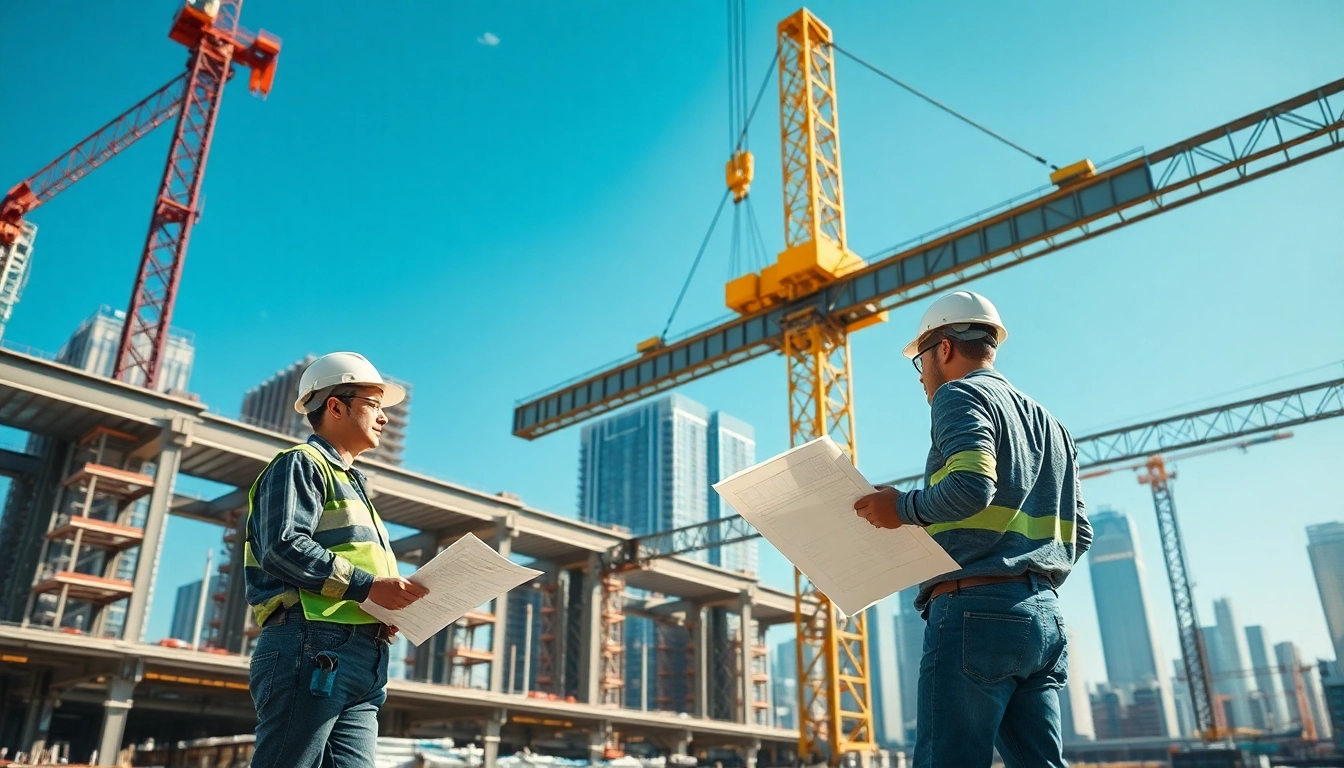
Mastering Structural Steel Installation: Best Practices for Efficient Construction
Understanding Structural Steel Installation Structural steel installation is a critical…
Top GRP Grating Supplier Insights for Industrial Applications
Understanding GRP Grating Materials What is GRP Grating? Glass Reinforced…
Understanding and Mitigating Physical Hazards in the Workplace
Introduction to Physical Hazards In workplaces around the globe, the…