
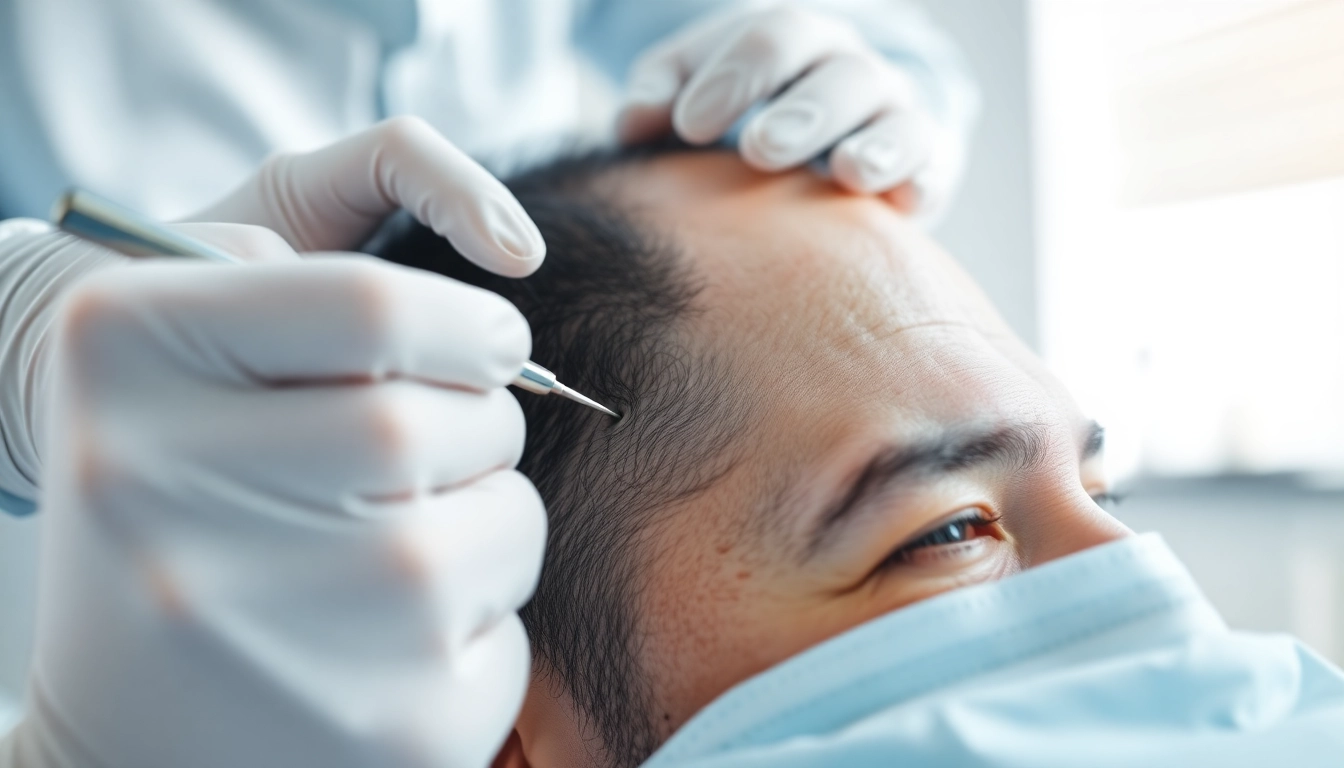
What is a Hair Transplant?
Definition and Overview
A hair transplant is a surgical procedure that transfers hair follicles from a part of the body known as the “donor site” to areas with thinning or no hair, termed the “recipient site.” This innovative technique is primarily used to treat conditions such as androgenetic alopecia, or male and female pattern baldness, and can restore a more youthful appearance by providing a permanent solution to hair loss. The procedure became popular in the 1970s and has since evolved into a highly specialized field with numerous advancements in methodology and technology. For individuals seeking reliable options, understanding a hair transplant is crucial for making informed decisions about their hair restoration journey.
Types of Hair Transplant Techniques
There are two main techniques used in hair transplantation: Follicular Unit Transplantation (FUT) and Follicular Unit Extraction (FUE).
- Follicular Unit Transplantation (FUT): Also known as strip harvesting, FUT involves removing a strip of scalp from the donor area, usually the back of the head, which is then dissected into individual follicular units. These units are then implanted into the balding areas. This method can be more efficient for larger areas but often leaves a linear scar.
- Follicular Unit Extraction (FUE): In FUE, individual hair follicles are extracted directly from the scalp using a micro-punch incision. This method is less invasive, leaves minimal scarring, and provides faster recovery. However, it can be more time-consuming and may require more sessions for extensive hair restoration.
Who is a Suitable Candidate?
Ideal candidates for hair transplant surgery include individuals experiencing hair loss due to genetic factors, hormonal changes, or other medical conditions. Candidates typically should be:
- In good overall health, without chronic medical conditions that could impair healing.
- Above 25 years of age, as hair loss patterns are better established in older adults.
- Realistic about the outcomes and have a stable hair loss condition.
Benefits of Hair Transplant
Permanent and Natural Results
One of the primary advantages of a hair transplant is its ability to deliver permanent results. Since the transplanted hair follicles are taken from areas resistant to balding, such as the back of the scalp, they will continue to grow hair for a lifetime. Additionally, advancements in hair restoration techniques ensure that results appear natural, blending seamlessly with existing hair to enhance overall appearance.
Psychological Advantages
Beyond physical transformation, hair transplants have significant psychological benefits. Many people experience a boost in self-esteem and confidence after the procedure. A full head of hair is often associated with youth and vigor, which can positively impact both personal and professional aspects of life. Studies indicate that patients frequently report heightened satisfaction with their appearance, leading to an overall better quality of life.
Restoration of Confidence
For individuals struggling with hair loss, the path to restoring confidence can be challenging. Hair transplants offer a reliable way to regain a youthful appearance and self-assurance. As patients see their hair grow and flourish after surgery, many report feeling more socially engaged and willing to participate in activities they had previously avoided due to embarrassment.
What to Expect During a Hair Transplant
Pre-Procedure Consultation
Before the procedure, a thorough consultation with a qualified hair restoration specialist is crucial. During this meeting, the doctor will assess the patient’s hair loss pattern, discuss their medical history, and outline expectations for the surgery. Patients should prepare to communicate their goals and desired outcomes, as this will inform the surgical plan.
The Surgical Process Explained
The hair transplant procedure typically lasts between four to eight hours, depending on the method and the amount of hair being transplanted. For FUT, once the donor strip is removed, the scalp will be sutured, and the strip will be dissected into grafts. For FUE, individual grafts are harvested directly from the scalp. Patients usually receive local anesthesia to minimize discomfort during the procedure.
Post-Procedure Care
After the surgery, patients will receive specific aftercare instructions to ensure proper healing and optimal results. Common guidance includes avoiding strenuous activities for several days, refraining from washing the hair for a few days, and using prescribed topical treatments or medications. Furthermore, follow-up appointments may be scheduled to monitor healing and hair growth progress.
Cost of Hair Transplants
Average Pricing Breakdown
The cost of hair transplants varies widely based on factors such as location, surgeon experience, and the technique used. On average, patients can expect to pay anywhere from $4,000 to $15,000 for a hair transplant procedure. Prices typically reflect the number of grafts required, with most clinics charging per graft–sometimes ranging from $2 to $10.
Financing Options
Many clinics offer financing options to make hair transplants more accessible. Patients can explore payment plans, medical credit cards, or financing through third-party healthcare lenders. It’s essential for candidates to inquire about these options during the initial consultation to understand the financial commitment involved fully.
Factors Affecting Cost
Several factors can influence the overall cost of a hair transplant:
- Location: Prices may vary by geographic region, with urban centers generally charging higher rates due to increased demand and overhead costs.
- Surgeon Experience: Surgeons with extensive experience or specialist certifications may charge higher fees, but their expertise can contribute to more successful outcomes.
- Technique Used: The choice between FUT and FUE may affect the cost, with FUE often being more expensive due to its time-consuming nature.
FAQs About Hair Transplants
How Painful is a Hair Transplant?
The procedure generally involves minimal pain due to local anesthesia. Most patients describe feeling slight discomfort rather than significant pain. Any post-operative discomfort is usually manageable with over-the-counter pain relievers.
Is Hair Transplant Successful?
Success rates for hair transplants are impressively high, often exceeding 90%. Factors contributing to success include the surgeon’s skill, patient characteristics, and adherence to post-operative care guidelines.
Can Women Get Hair Transplants?
Yes, women can benefit from hair transplants, especially for conditions like female pattern baldness. Assessment by a qualified professional ensures the appropriate method and technique tailored to their unique hair loss patterns.
What Are the Side Effects?
Common side effects include swelling, redness, itching, and minor bleeding at the donor and recipient sites. Serious complications are rare when the procedure is performed by a trained professional.
How Long Does It Take to See Results?
Patients typically see initial results within three to six months, but full results can take up to a year. The growth pattern varies, with some hairs shedding temporarily before regrowing stronger.