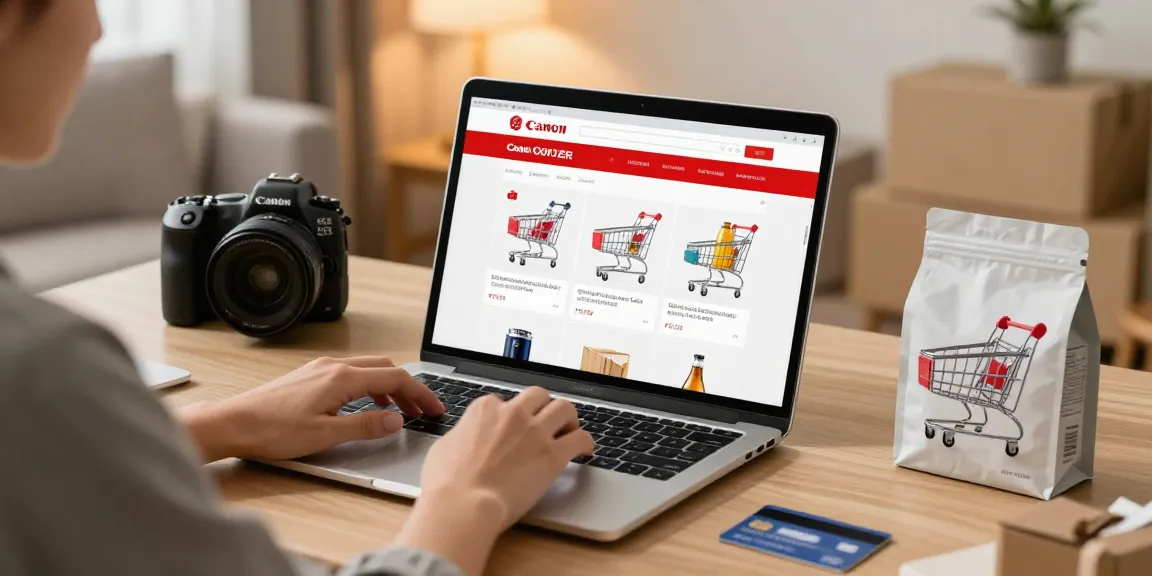
Understanding E-commerce Fundamentals
What is E-commerce?
E-commerce, or electronic commerce, refers to the buying and selling of goods and services over the internet. This paradigm shifts the traditional retail model to a digital platform, allowing transactions to occur virtually. Customers can shop from the comfort of their homes, browse through vast inventories, and enjoy flexible purchasing options 24/7. Popular types of e-commerce include B2B (business-to-business), B2C (business-to-consumer), C2C (consumer-to-consumer), and C2B (consumer-to-business) models. E-commerce not only facilitates convenience for customers but also provides businesses with broader market reach and reduced operational costs.
Benefits of Online Shopping
The advent of e-commerce offers numerous advantages to both consumers and retailers. For consumers, online shopping provides unmatched convenience—no more long lines or store hours to worry about. Key benefits include:
- Wider Selection: Online stores often carry a larger inventory compared to physical stores.
- Price Comparison: Customers can easily compare prices across multiple platforms to find the best deals.
- Customer Reviews: Shoppers can read reviews from other customers to inform their purchasing decisions.
- Home Delivery: Products are delivered directly to the customer's doorstep, saving time and effort.
- Access to Global Markets: E-commerce allows consumers to shop from businesses worldwide.
Key Components of E-commerce Websites
Effective e-commerce websites are built upon foundational components that ensure functionality and enhance the user experience. The essential elements include:
- User-Focused Design: A clean, attractive, and intuitively navigable website layout.
- Secure Payment Gateway: Robust payment options that protect customer data and provide a seamless checkout experience.
- Mobile Optimization: Ensuring the website is responsive and usable on mobile devices, as a significant portion of consumers shop via smartphones.
- High-Quality Product Images and Descriptions: Engaging visuals and detailed product descriptions help in convincing buyers.
- Customer Service Features: Integrated chat support, FAQs, and accessible contact information build trust and assist customers.
Designing Your Online Store
Choosing the Right Platform
Choosing the ideal e-commerce platform is crucial for success. Various platforms cater to different needs, whether it's Shopify for ease of use or WooCommerce for WordPress integrations. Factors to consider include:
- Scalability: Ensure the platform can grow with your business's needs.
- Customization Options: A good platform should allow for flexibility in design and functionality.
- Cost Structure: Understand the pricing model, including transaction fees, monthly subscriptions, and additional costs for plugins or features.
- Support and Resources: Look for platforms offering reliable customer support and educational resources.
Essential Features for https://buyingst.com
When designing an online store like https://buyingst.com, several features should be prioritized to enhance user experience and boost sales:
- Advanced Search Functionality: Allow customers to filter products by various attributes.
- Personalized Product Recommendations: Use algorithms to suggest items based on customer behavior.
- Multiple Payment Options: Include credit cards, PayPal, Apple Pay, and more to cater to customer preferences.
- Easy Return Policy: A straightforward return policy builds customer confidence.
- Security Features: Utilize SSL certificates and other security measures to protect customer information.
User-Friendly Navigation Strategies
User navigation can make or break an e-commerce site. Employing sound navigation strategies ensures that customers can quickly find what they're looking for, thereby enhancing the shopping experience. Some tips include:
- Simplified Menu Structures: Use clear categories and subcategories to organize products logically.
- Breadcrumb Navigation: Allow users to track their paths easily across the site.
- Search Bar Accessibility: Ensure the search function is visible and easy to use.
- Consistent Layouts: Maintain a similar design template across all pages to reduce cognitive load.
- Interactive Elements: Incorporate hover effects and animations to make navigation engaging.
Boosting Website Visibility
SEO Best Practices for E-commerce
Search Engine Optimization (SEO) is essential for boosting your e-commerce website's visibility. Implementing effective SEO strategies can significantly increase organic traffic. Key practices include:
- Keyword Research: Identify keywords and phrases relevant to your products that potential customers are searching for.
- Optimized Product Pages: Each product page should feature unique descriptions, titles, and meta tags to improve search rankings.
- High-Quality Backlinks: Build links from reputable sites to improve domain authority.
- Optimizing Images: Use alt texts and appropriate file names for your images to enhance search visibility.
- Mobile-Friendliness: Ensure that your website is optimized for mobile devices, as search engines prioritize mobile-friendly sites.
Leveraging Social Media
Social media has emerged as a powerful tool for promoting e-commerce businesses. Leveraging platforms such as Facebook, Instagram, and Twitter can extend your reach and engage new audiences. Consider the following approaches:
- Content Sharing: Regularly post engaging content that showcases your products and tells your brand story.
- Influencer Marketing: Collaborate with influencers in your niche to tap into their audience.
- Targeted Ads: Utilize social media advertising to reach specific demographics and drive traffic to your store.
- Active Engagement: Respond to comments and messages promptly to foster community and brand loyalty.
- User-Generated Content: Encourage customers to share their purchases on social media, building authenticity and trust.
Effective Content Marketing Techniques
Content marketing plays a vital role in attracting and retaining customers. Creating valuable content can establish your brand as an authority in your industry. Here are effective content strategies:
- Blogging: Start a blog that discusses topics related to your products, providing value and driving organic traffic.
- Video Content: Produce videos that demonstrate product use, unboxing experiences, or customer testimonials.
- Email Newsletters: Send regular updates, promotions, and content to engage past and potential customers.
- Guides and E-books: Create comprehensive guides that educate customers about relevant topics in your industry.
- Webinars and Live Sessions: Host live events to interact directly with your audience and establish a personal connection.
Enhancing User Engagement
Personalization Strategies
Personalization enhances the shopping experience, increasing the likelihood of purchases. Techniques include:
- Targeted Recommendations: Use data analytics to understand purchasing patterns and suggest items that fit users' preferences.
- Dynamic Content: Tailor web content based on visitor behavior, such as recently viewed items.
- Customer Segmentation: Segment your audience based on demographics or browsing behavior to deliver tailored marketing messages.
- Special Offers: Provide personalized discounts on birthdays or anniversaries to entice returning customers.
- Customer Loyalty Programs: Encourage repeat business with rewards for regular customers.
Implementing Customer Reviews
Customer reviews are essential for building credibility and trust. Implementing them effectively can significantly impact purchasing decisions. Best practices include:
- Encouraging Reviews: Actively ask customers for reviews post-purchase through email prompts or on social media.
- Highlighting Positive Feedback: Showcase outstanding reviews on product pages to enhance credibility.
- Responding to Reviews: Engage with customers by acknowledging their reviews, whether positive or negative, to show you value their feedback.
- Rating Systems: Implement a user-friendly rating system that allows buyers to rate products easily.
- Utilizing Efficient Review Platforms: Consider using third-party platforms for enhanced authenticity and reach.
Utilizing Email Marketing
Email marketing remains an effective tool for engaging e-commerce customers. It allows brands to maintain communication and drive repeat sales. Strategies for successful email marketing include:
- Segmented Lists: Tailor your emails based on customer interests and past purchases.
- Compelling Subject Lines: Craft attention-grabbing subject lines to increase open rates.
- Exclusive Offers: Encourage sign-ups with discount codes or exclusive access to sales for email subscribers.
- Regular Updates: Keep your audience informed about new products, sales, and special events.
- Engaging Content: Include rich content such as product videos, blogs, or tutorials within your emails to add value.
Measuring Success and Performance
Key Metrics to Track
Measuring performance is essential for continuous improvement in e-commerce. Essential metrics include:
- Conversion Rate: The percentage of visitors who make a purchase indicates the effectiveness of your site.
- Average Order Value (AOV): Understanding the average amount spent per transaction helps in strategizing upsells.
- Traffic Sources: Analyzing where your website traffic originates (organic, paid, social) helps in allocating marketing resources effectively.
- Customer Acquisition Cost (CAC): Knowing how much you spend on acquiring a new customer assists in budgeting.
- Return on Investment (ROI): Measuring the profitability of marketing efforts ensures accountability.
Analyzing Customer Behavior
Understanding customer behavior is vital to enhancing the shopping experience. Techniques for analysis include:
- User Journey Mapping: Visualizing the steps customers take can identify bottlenecks in the purchasing process.
- Heatmap Analysis: Use tools that show where users click most often on your site to optimize layout and design.
- Surveys and Feedback Forms: Direct feedback from visitors can uncover insights into their needs and preferences.
- Behavioral Analytics Software: Employ software tools to track user interactions and gauge engagement.
- Comparative Analysis: Regularly compare current behavior against previous periods to identify trends or shifts.
Adjusting Strategies for Growth
Adaptation is key to the success of any e-commerce business. Regularly evaluating performance data allows for strategic adjustments, such as:
- Iteration based on Metrics: Use collected data to pivot strategies that are underperforming and emphasize what works.
- A/B Testing: Experiment with different designs or campaigns to see what resonates best with customers.
- Market Trends: Stay agile and responsive to industry trends, adapting your product offerings accordingly.
- Continuous Learning: Invest in training for your team to stay abreast of the latest e-commerce trends and technologies.
- Feedback Loops: Create a system for regularly integrating customer feedback into business strategies.
Frequently Asked Questions
What is e-commerce?
E-commerce involves buying and selling goods and services through the internet, encompassing various models like B2B, B2C, C2C, and C2B.
How does SEO affect e-commerce?
SEO enhances website visibility on search engines, driving organic traffic to the site by improving search rankings for relevant keywords.
Why is user experience important in e-commerce?
User experience determines customer satisfaction and loyalty. A seamless, enjoyable shopping experience increases conversion rates.
What are effective email marketing strategies?
Effective email marketing includes segmented lists, compelling subject lines, exclusive offers, regular updates, and engaging content.
How can I measure e-commerce success?
Monitor key metrics like conversion rates, average order value, customer acquisition cost, and return on investment to measure success.