Understanding Different Types of Doors
Interior vs. Exterior Doors
When considering the various doors for your home, it’s crucial to distinguish between interior and exterior types. Interior doors are designed primarily for indoor use and usually feature less robust materials, as they don’t need to withstand outdoor elements. These doors are often lighter and can include styles like standard panel doors, pocket doors, and barn doors, contributing to the aesthetic of your living spaces.
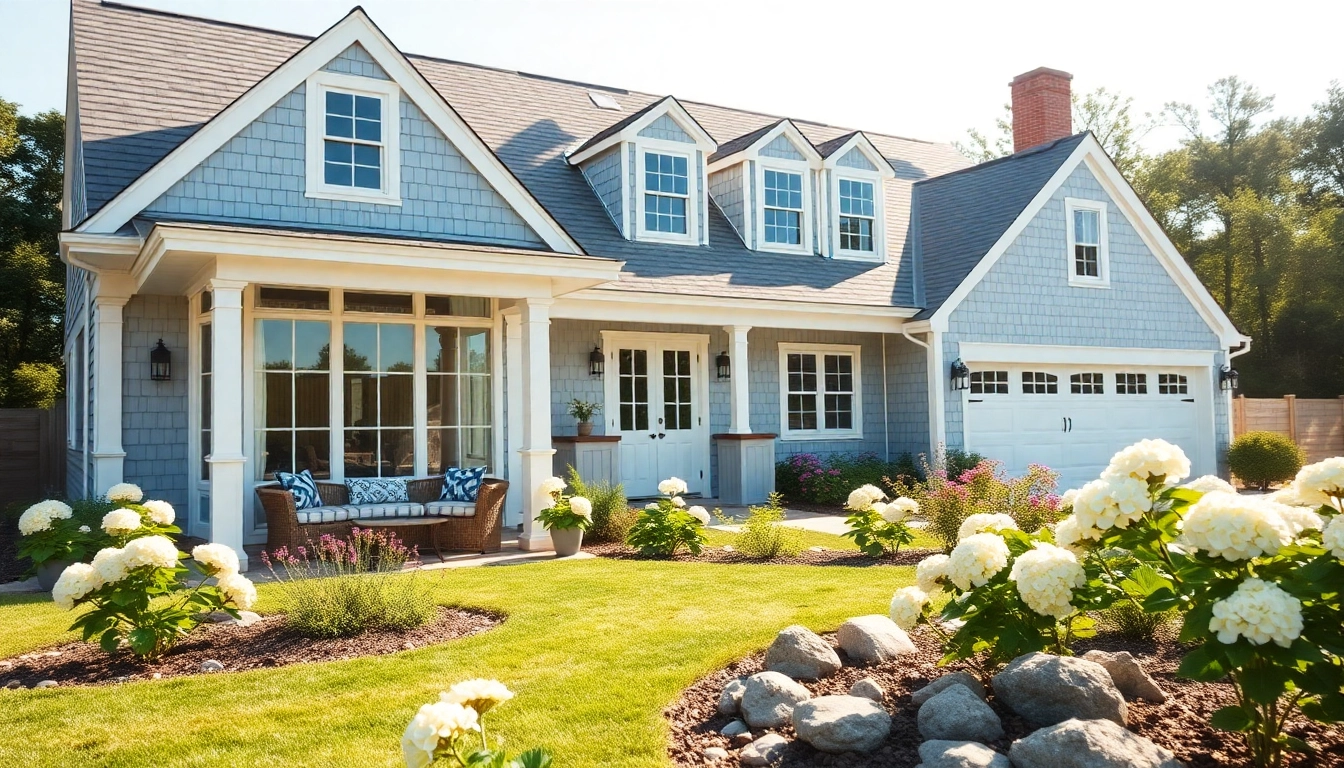
In contrast, exterior doors are built to withstand the elements and provide security. They are typically made from denser materials and come in a variety of styles including entry doors, storm doors, and patio doors. Exterior doors often feature weather stripping and additional security measures such as reinforced frames or deadbolts to enhance safety.
Materials Used in Doors
The materials used in the construction of doors greatly affect their quality, look, and durability. Common materials include:
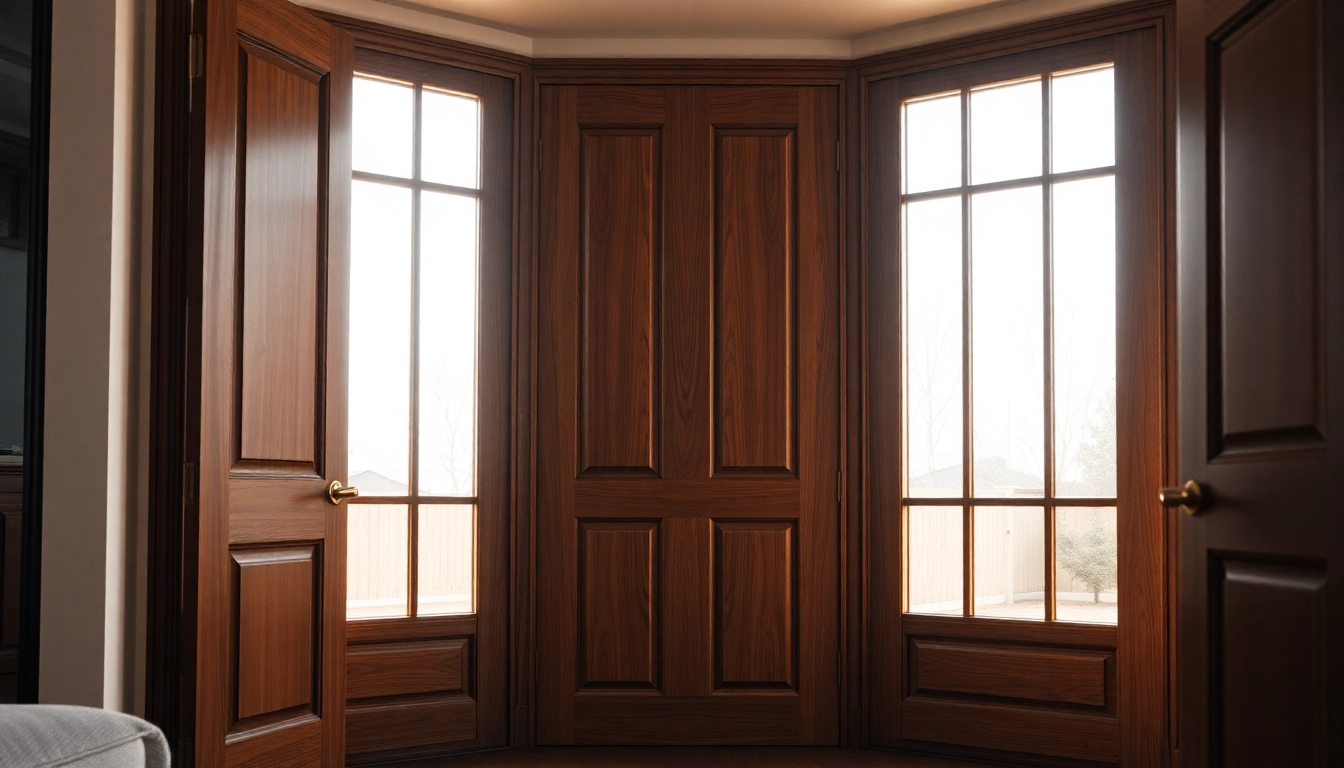
- Wood: Elegant and durable, wood doors provide natural insulation and can be customized with various finishes. Popular wood types include oak, cherry, and maple.
- Steel: Known for their strength and security, steel doors are resistant to warping, twisting, and shrinking. They often come with insulation for energy efficiency.
- Fiberglass: These doors can mimic the look of wood while offering greater durability and resistance to moisture, making them ideal for exterior use.
- Composite: Made from a mix of materials, composite doors are designed to offer a balance of affordability and durability, often mimicking wood's look.
Traditional vs. Modern Designs
Door designs can be broadly categorized into traditional and modern styles, each offering unique aesthetics and functionality. Traditional doors often feature intricate designs, paneling, and finishes that reflect historical styles, enhancing the character of classic homes.
Modern doors, on the other hand, emphasize minimalism, clean lines, and a focus on functionality. They often utilize materials like glass and metal to create a sleek look that complements contemporary architecture. Depending on your home’s overall aesthetic, the right choice can significantly impact the ambiance of your space.
Choosing the Right Doors for Your Home
Factors to Consider
Selecting the right doors involves considering several factors: the intended use (interior vs. exterior), style, material, energy efficiency, and budget. Each factor contributes to how the door performs and fits in with your home’s overall look.
Measuring and Fitting
Accurate measurements are critical when choosing doors to ensure proper installation. Measure the height, width, and thickness of the door frame, and take note of any existing hardware placements. Always allow for gaps to enable properfunctionality, such as swinging and sealing.
Style Compatibility
Ensure that the style of the doors corresponds with your home’s architecture. For example, a Victorian-style house would benefit from ornate wooden doors, while a modern home might be best suited for sleek, simple designs. Consistency in style contributes to a cohesive appearance and enhances curb appeal.
Installation Tips for New Doors
Tools and Equipment Required
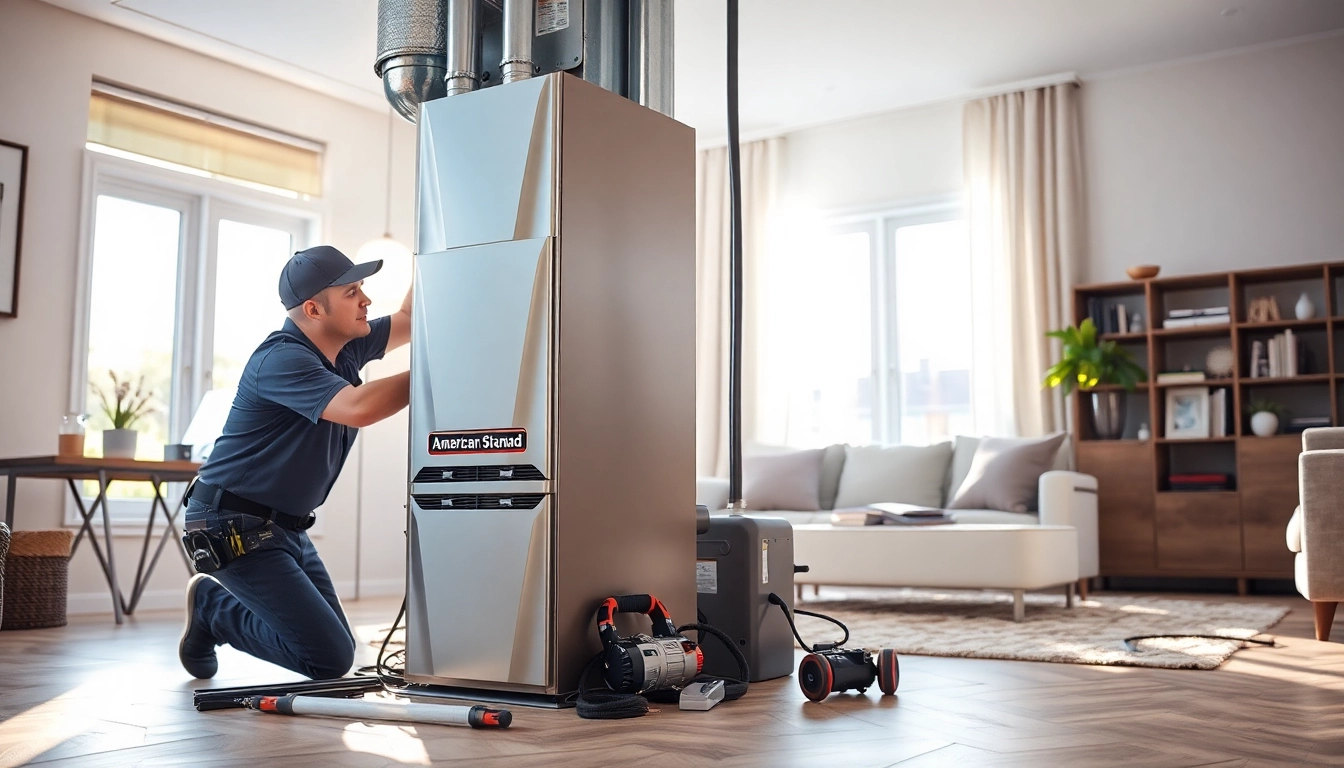
Installing doors requires various tools, including measuring tape, a level, a screwdriver, drill, chisel, and possibly a saw. Having the right equipment on hand makes the installation process smoother and ensures a professional finish.
Step-by-Step Installation Process
The installation process can typically be broken down into several steps:
- Remove the old door, including any trim or hardware.
- Check the frame for any damages and make necessary repairs.
- Position the new door into the frame and secure it with shims.
- Attach the hinges and fit the door, ensuring it swings smoothly.
- Install any additional hardware and trim as needed.
Common Pitfalls to Avoid
During the installation of doors, homeowners often make mistakes such as mismeasuring the door frame or failing to properly level the door. Be sure to take your time measuring and adjusting as necessary to avoid frustration later.
Maintaining Your Doors for Longevity
Regular Cleaning and Care
To ensure that your doors remain in good shape, regular cleaning is essential. Use a soft cloth and mild detergent to wipe down the surfaces, taking care to avoid harsh chemicals that may damage the finish. For wood doors, consider applying a wood conditioner periodically to maintain their luster.
Repairing Common Issues
Over time, doors may develop issues such as squeaking hinges, sticking panels, or cracks in the finish. These problems can often be solved with simple repairs. Lubricate hinges with oil, adjust the hinges for misalignment, and use wood fillers for cracks or dents to keep your doors looking their best.
Enhancing Security Features
Your doors act as the first line of defense against intruders, making it essential to enhance their security features. Consider installing deadbolt locks, security cameras, or motion lights near entrances. Reinforcing door frames can also provide additional protection against break-ins.
FAQs about Doors
What types of wood are best for doors?
Hardwoods such as oak, cherry, and maple are ideal for doors due to their durability and aesthetic appeal. Softwoods like pine can also be used but may require more maintenance.
How often should I clean my doors?
Cleaning doors every few months is advisable. However, areas with high traffic should be cleaned more frequently to prevent dirt and grime buildup.
Can I install doors myself?
Yes, with the right tools and instructions, many homeowners can install doors themselves. However, professional help may be needed for complicated installations.
What is the average lifespan of a door?
The lifespan of a door varies by material: wooden doors may last 30 years, while steel doors can last upwards of 50 years with proper maintenance.
How do I choose a door style?
Consider your home’s architecture, personal preferences, and functionality requirements. Examine styles that resonate with your home’s aesthetic and complement other features.