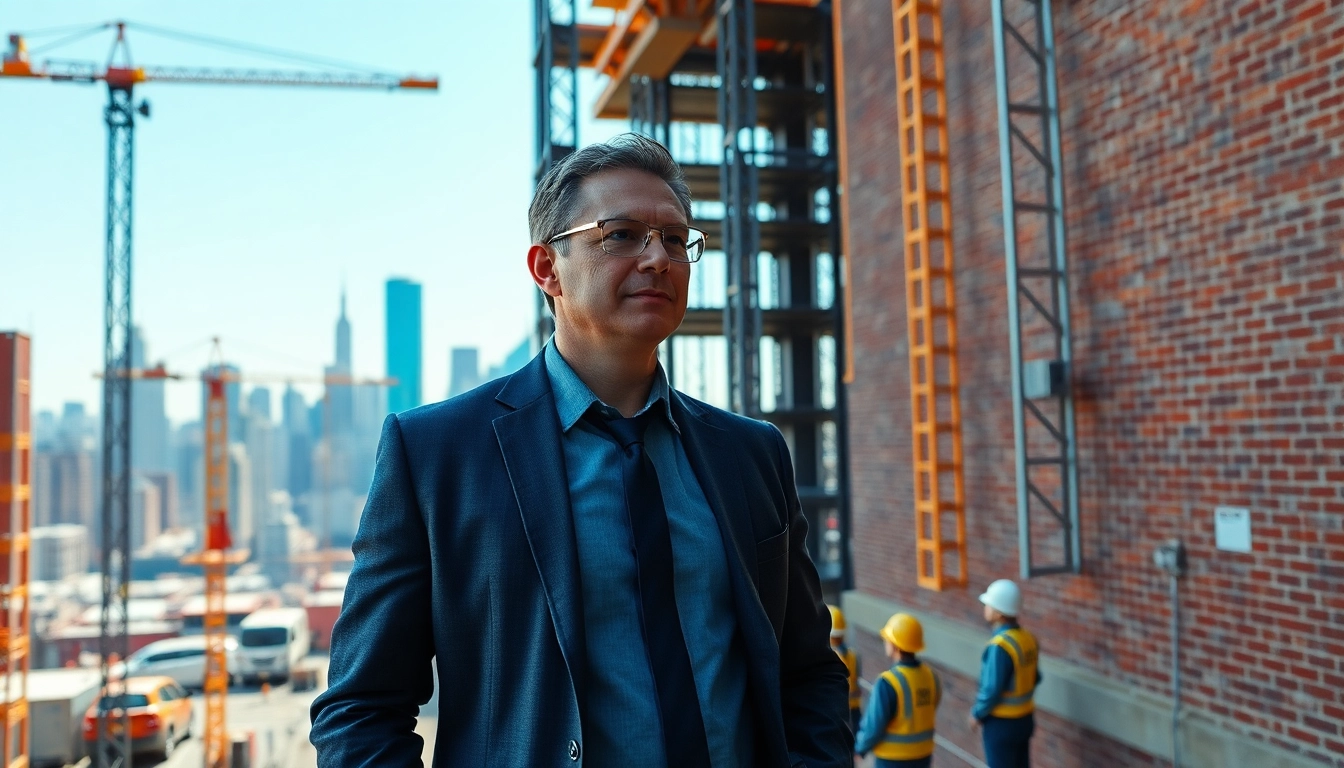
Understanding the Role of a New York Construction Manager
In the bustling and ever-evolving landscape of New York construction, the role of a New York Construction Manager is pivotal. They are the linchpins of construction projects, responsible for overseeing the entire process from inception to completion. This article delves deep into the responsibilities, skills, challenges, project management techniques, collaboration strategies, regulatory landscapes, and career development avenues for construction managers in New York City.
Key Responsibilities of a New York Construction Manager
A New York Construction Manager's responsibilities are numerous and varied, encapsulating the entire construction lifecycle. Key responsibilities include:
- Project Planning: Developing action plans that outline timelines, resources, and budget allocations.
- Coordination: Ensuring all stakeholders, including architects, engineers, contractors, and government agencies, work collaboratively.
- Supervision: Overseeing the construction site to ensure compliance with safety guidelines and building codes.
- Budget Management: Keeping track of costs and ensuring the project stays within budget, implementing corrective actions as needed.
- Quality Control: Monitoring work to ensure that construction standards and specifications are met.
- Problem-Solving: Addressing challenges that arise during construction, frequently requiring timely and effective solutions.
Skills Essential for Success as a New York Construction Manager
To excel as a construction manager in New York, professionals must possess a wide array of skills:
- Leadership: Ability to lead and motivate teams, providing clear direction and support.
- Communication: Strong verbal and written communication skills to convey information effectively to stakeholders.
- Technical Knowledge: Understanding of construction methods, materials, and regulations that govern the industry.
- Negotiation Skills: Proficiency in negotiating contracts and agreements with various stakeholders.
- Analytical Skills: Ability to analyze data and project metrics to make informed decisions.
Challenges Faced by a New York Construction Manager
While the role of a construction manager is integral, it does not come without its obstacles:
- Regulatory Compliance: Navigating the complex landscape of city regulations and building codes can be challenging.
- Resource Management: Ensuring the availability of skilled labor and materials amidst fluctuating market conditions.
- Time Constraints: Managing tight deadlines while maintaining quality can create immense pressure.
- Client Expectations: Balancing client demands and expectations with the realities of a construction project.
- Safety Risks: Prioritizing safety while minimizing risks associated with construction sites is a critical concern.
Effective Project Management Techniques for New York Construction Managers
Project management is at the heart of successful construction management. By employing effective strategies, a New York Construction Manager can ensure projects are completed on time and within budget.
Planning and Scheduling Best Practices
Effective planning and scheduling are crucial to the success of construction projects. Here are some best practices:
- Set Clear Objectives: Establish project objectives that are specific, measurable, achievable, relevant, and time-bound (SMART).
- Utilize Gantt Charts: Implement Gantt charts to visualize project timelines and interdependencies between tasks.
- Regular Updates: Conduct regular meetings to review progress and adjust project schedules as necessary.
- Buffer Time: Include buffer periods in schedules to account for unforeseen delays, ensuring project timelines remain realistic.
Budgeting and Cost Control Strategies
Staying on budget is a challenge that requires vigilant monitoring and management:
- Create Detailed Budgets: Develop a comprehensive budget that includes all project costs, from labor to materials and contractor fees.
- Track Expenses: Implement software tools for real-time tracking of expenses against the budget.
- Contingency Funds: Set aside contingency funds for unexpected expenses, ensuring financial flexibility throughout the project.
- Regular Financial Reviews: Conduct periodic financial reviews to ensure adherence to budgetary constraints and adjust forecasts as necessary.
Risk Management Approaches for New York Construction Managers
Proactive risk management strategies are essential to mitigate potential project pitfalls:
- Identify Potential Risks: Conduct risk assessments to identify possible threats to project timelines, budgets, and safety.
- Develop Contingency Plans: Create contingency plans for identified risks to minimize their impact should they occur.
- Insurance Policies: Secure adequate insurance coverage to protect against financial losses due to unforeseen events.
- Regular Communication: Maintain open lines of communication among project stakeholders about risks and mitigation efforts.
Collaboration and Communication in Construction Projects
In construction management, effective collaboration and communication can lead to project success. Ensuring that all stakeholder parties stay informed and engaged is paramount.
Building Relationships with Stakeholders
Building strong relationships with stakeholders creates a foundation for successful collaboration:
- Understand Stakeholder Needs: Actively engage stakeholders to understand their concerns and expectations.
- Regular Updates: Keep stakeholders informed of project status, changes, and challenges through regular updates and reports.
- Foster Trust: Build trust by being transparent about project decisions and outcomes, and by delivering on commitments.
- Engage in Active Listening: Practice active listening to demonstrate respect for stakeholder input and feedback.
Effective Team Communication Techniques
Ensuring that the construction team communicates effectively is vital:
- Establish Communication Protocols: Define clear communication channels for sharing information, feedback, and updates.
- Use Digital Tools: Utilize project management software and communication platforms to streamline information sharing and reduce misunderstandings.
- Encourage Team Collaboration: Foster a collaborative team environment where everyone feels comfortable sharing ideas and concerns.
- Hold Regular Meetings: Schedule regular team meetings to review progress, address issues, and plan next steps collectively.
Utilizing Technology for Enhanced Collaboration
Technology plays a crucial role in enhancing collaboration among construction teams:
- Building Information Modeling (BIM): Implement BIM technology to visualize project components in a collaborative and interactive 3D format.
- Project Management Software: Utilize cloud-based project management software for real-time updates and document sharing, enhancing team coordination.
- Communication Tools: Use instant messaging and video conferencing tools for quick communications and to facilitate remote collaboration.
- Mobile Applications: Leverage mobile applications for real-time updates and communication among field teams and office staff.
Regulations and Compliance for New York Construction Managers
Construction managers must navigate a complex landscape of regulations to ensure compliance, safety, and environmental stewardship.
Understanding Local Building Codes and Regulations
Familiarity with New York's building codes and regulations is non-negotiable:
- Stay Updated: Regularly review changes in local building codes and industry standards to ensure compliance.
- Consult Experts: Work with legal advisors and compliance experts to navigate complex regulatory requirements and avoid penalties.
- Documentation: Maintain thorough documentation of compliance efforts for audits and inspections.
- Training: Provide ongoing training for your team regarding local codes and safety regulations.
Ensuring Safety Standards on Construction Sites
Safety is paramount on construction sites, and construction managers play a crucial role in enforcing safety standards:
- Develop Safety Protocols: Create comprehensive safety policies outlining procedures for mitigating hazards.
- Regular Safety Training: Implement regular safety training sessions for all team members to ensure everyone understands safety protocols.
- Safety Audits: Conduct routine safety audits to identify potential hazards and implement corrective measures promptly.
- Emergency Procedures: Establish clear emergency response plans and ensure all staff know how to act in case of an emergency.
Environmental Considerations in Construction Management
Construction managers must also consider the environmental impact of their projects:
- Sustainable Practices: Adopt sustainable building practices and materials to minimize ecological impact.
- Waste Management: Implement a comprehensive waste management plan to recycle materials and reduce landfill contributions.
- Environmental Assessments: Conduct environmental assessments before starting projects to identify potential impacts and develop mitigation strategies.
- Stakeholder Engagement: Communicate with community stakeholders regarding environmental initiatives and address concerns effectively.
Career Development for the Aspiring New York Construction Manager
As the construction industry continues to evolve, so do the opportunities for career advancement for construction managers in New York. Continuous professional development and staying informed about industry trends are essential.
Education and Certifications Required
A robust educational background and relevant certifications are crucial for aspiring construction managers:
- Degree Programs: A bachelor’s degree in construction management, civil engineering, or architecture is often required.
- Certifications: Consider obtaining certifications such as the Project Management Professional (PMP) or Certified Construction Manager (CCM) to enhance credentials.
- Continuing Education: Engage in lifelong learning through workshops, seminars, and online courses to stay current with industry changes.
- Internships: Gain practical experience through internships or entry-level positions to understand the intricacies of construction management.
Networking Opportunities within the Industry
Building a professional network is essential for career growth:
- Professional Associations: Join organizations like the Construction Management Association of America (CMAA) to connect with industry professionals.
- Industry Events: Attend construction expos, trade shows, and conferences to meet potential employers and industry leaders.
- Online Networking: Utilize platforms like LinkedIn to engage with professionals in the construction management field.
- Mentorship: Seek mentorship opportunities to gain insights and advice from experienced construction managers.
Future Trends Impacting New York Construction Managers
Staying abreast of emerging trends is vital for future-proofing your career as a New York Construction Manager:
- Digital Transformation: Embrace digital tools and software that enhance project planning, management, and communication.
- Sustainability Initiatives: Understanding and implementing sustainable construction practices will become increasingly important as regulations evolve.
- Urbanization Challenges: Prepare for the continued growth of urban areas and the unique challenges they present, such as space constraints and logistics.
- Workforce Development: Engage with initiatives aimed at training and developing the next generation of construction professionals amid a skilled labor shortage.