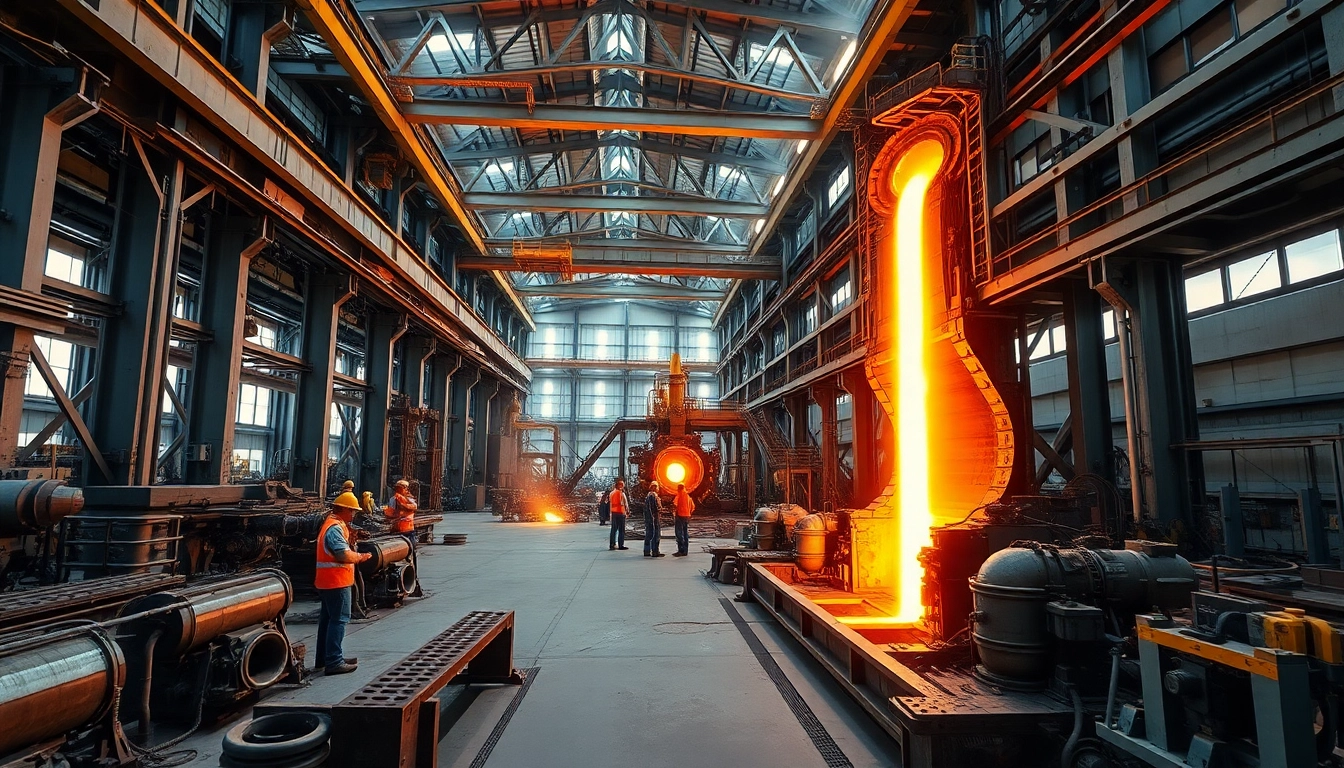
Introduction to Physical Hazards
In workplaces around the globe, the term physical hazard is frequently encountered, highlighting the necessity for understanding and addressing various physical dangers employees may face. Physical hazards are environmental factors that can lead to illness, injury, or even fatality if not properly managed. This article delves into the definition of physical hazards, common types, risk assessment strategies, regulatory compliance, and the importance of creating a safety culture, ultimately aiming to provide a comprehensive understanding of how to identify and mitigate such risks in any workplace.
What Constitutes a Physical Hazard?
A physical hazard refers to any object or condition within the workplace environment that presents a risk of harm or injury to employees. These hazards can stem from a multitude of sources, including:
- Equipment and machinery
- Environmental conditions, such as noise, temperature extremes, and chemical exposure
- Workplace design and layout, including tripping hazards or inadequate safety barriers
Understanding these components is vital for risk assessment and developing adequate safety protocols. For instance, slippery floors, unguarded machinery, and improperly stored materials represent significant physical hazards that require immediate attention.
Common Types of Physical Hazards
Physical hazards can be categorized into several key areas, which include but are not limited to:
- Mechanical Hazards: These involve equipment or machinery that can cause injury through sudden or inadvertent contact. Examples include rotating parts, sharp edges, and heavy loads.
- Biological Hazards: Although often classified as a separate entity, biological elements like bacteria and viruses can pose significant physical hazards, especially in healthcare and laboratory settings.
- Chemical Hazards: While primarily regarded as chemical risks, the spillage or leakage of hazardous materials can also create physical hazards, such as slippery surfaces leading to falls.
- Noise Hazards: Excessive noise levels can cause hearing impairment and distractions, which can lead to accidents and physical injuries.
- Ergonomic Hazards: Poor workplace ergonomics can lead to musculoskeletal disorders, positioning it as a physical concern influencing an employee’s health and safety.
Awareness of these common types of physical hazards enables employers to undertake proactive measures to mitigate risks.
The Importance of Identifying Hazards
Identifying physical hazards is of utmost importance for several reasons. First and foremost, understanding the risks allows organizations to implement preventative measures that enhance employee safety and compliance with legal obligations. Secondly, it fosters a culture of safety within the organization, where employees feel valued and protected, thus improving morale and productivity. Lastly, by identifying potential hazards, organizations can significantly decrease accident rates, resulting in decreased insurance costs and fewer disruptions in operations.
Risk Assessment Strategies
Conducting a Workplace Hazard Analysis
A workplace hazard analysis is a systematic examination that identifies all potential physical hazards. This analysis typically involves several steps:
- Identify Hazards: Walk through the workplace to observe conditions and situations that could contribute to physical hazards.
- Analyze the Risks: Assess the likelihood of each hazard resulting in an incident and the severity of potential outcomes.
- Implement Control Measures: Develop strategies to mitigate the identified risks, which may include engineering controls, administrative changes, or personal protective equipment.
- Review and Revise: Regularly revisit and update the hazard analysis to reflect any changes in the workplace environment or processes.
This proactive approach not only provides a roadmap for maintaining safety but also ensures compliance with health regulations.
Tools and Techniques for Risk Assessment
Various tools and techniques can assist organizations in conducting risk assessments effectively. Some widely used methodologies include:
- Checklists: Customizable checklists designed for specific workplaces can prompt managers to identify hazards comprehensively.
- Job Safety Analysis (JSA): This technique focuses on identifying hazards associated with specific job tasks and documenting the steps needed to mitigate risks.
- Incident Reporting Forms: Analysis of past incident reports can reveal trends and help identify hazards that need attention.
- Risk Matrix: This tool helps to visualize the likelihood and severity of risks, guiding prioritization of actions taken.
The selection of appropriate tools depends on the workplace and its specific hazards, with emphasis on fostering a data-driven approach to workplace safety.
Documenting Findings and Action Plans
Documentation plays a crucial role in the risk assessment process. All findings from hazard analyses and assessments should be recorded meticulously to ensure accountability and transparency. A clear action plan should include:
- Identified hazards
- Assessment of risks and their potential impacts
- Recommended control measures and responsible parties for implementation
- Timelines for completion and follow-up actions
This comprehensive documentation not only aids in tracking safety improvements but also serves as a reference for training and regulatory compliance.
Regulatory Compliance and Standards
Overview of OSHA Regulations
The Occupational Safety and Health Administration (OSHA) is a key regulatory authority that establishes standards for workplace safety in the United States. OSHA’s regulations regarding physical hazards encompass various guidelines, including:
- General Duty Clause: Requires employers to provide a workplace free from recognized hazards that could cause death or serious harm.
- Specific Standards: OSHA has detailed regulations for particular industries addressing physical hazards, such as construction, manufacturing, and maritime operations.
- Reporting Requirements: Employers are mandated to report work-related injuries, illnesses, and fatalities, which generates data for further risk assessments.
Compliance with OSHA rules is critical, as failure to do so can lead to significant penalties and legal repercussions.
Industry-Specific Safety Standards
While OSHA provides broad regulations, individual industries may have tailored safety standards. For example:
- In the construction sector, regulations concerning fall protection and scaffolding require rigorous adherence to prevent accidents related to heights.
- Healthcare settings must comply with standards regarding exposure to biological hazards and the safe handling of health products.
- Manufacturing industries must focus on machine safety standards to prevent injuries caused by machinery.
Understanding these specific standards is essential for organizations to maintain compliance and ensure employee safety.
Penalties for Non-Compliance
Non-compliance with OSHA regulations and industry-specific safety standards can result in serious ramifications, including:
- Fines: Organizations found to violate safety standards may incur substantial fines, often escalating with repeated offenses.
- Legal Liability: Employers could face lawsuits related to workplace injuries or fatalities stemming from negligence in hazard identification and risk management.
- Reputational Damage: Non-compliance can harm an organization’s reputation, impacting employee morale and customer trust.
Staying informed and compliant is vital to protecting not only the workforce but also the longevity of the business.
Creating a Safety Culture
Training Employees on Physical Hazards
Training is fundamental to developing a safety culture within an organization. Employees must be well-informed about the physical hazards they may encounter and the best practices to stay safe. Effective training programs should cover:
- Identification of physical hazards
- Proper use of personal protective equipment (PPE)
- Emergency procedures and reporting protocols
- Safe operation of equipment and tools
Regular training sessions, refreshers, and certifications enhance employee comprehension and adherence to safety guidelines.
Encouraging Reporting and Communication
A transparent communication strategy is critical for fostering a safety culture. Employees should feel empowered to report hazards without fear of repercussions. Encouraging open dialogue about safety can be facilitated through:
- Anonymous reporting mechanisms
- Regular safety meetings to discuss potential hazards and address concerns
- Feedback mechanisms to implement employee suggestions and improvements
By promoting an open communication environment, organizations can better identify risks and create a collective approach to safety.
Leadership's Role in Safety Advocacy
Leadership plays a pivotal role in shaping an organization’s safety culture. Management must demonstrate a commitment to safety through:
- Participating in safety training and drills
- Allocating resources for safety improvements
- Establishing clear expectations for safety behavior and accountability
When leaders prioritize safety, it signals to employees that their health and welfare are valued, enhancing compliance and engagement.
Monitoring and Continuous Improvement
Establishing Safety Performance Metrics
To ensure ongoing safety and compliance, it is essential to establish metrics that gauge safety performance. Key metrics can include:
- Incident rates and trends
- Timeliness of hazard reporting and resolution
- Employee participation in safety training
These metrics provide tangible data that can help organizations assess the effectiveness of their safety initiatives and identify areas for improvement.
Regular Safety Audits and Inspections
Conducting regular safety audits and inspections is crucial for maintaining a safe workplace. Such audits allow organizations to:
- Verify compliance with regulatory standards
- Evaluate the implementation of safety protocols
- Identify emerging hazards that may require immediate attention
Routine inspections not only keep safety a priority but also encourage a proactive approach to hazard management.
Adapting Strategies Based on Feedback
Continuous improvement in workplace safety is facilitated by adapting strategies based on employee feedback and audit results. Organizations should regularly analyze the effectiveness of their current safety measures and be willing to adjust according to:
- Identified gaps in training or communication
- Shifts in workplace operations or environment
- Trends in incident reporting and safety metrics
This iterative process not only enhances safety practices but demonstrates a commitment to fostering a safe working environment.