
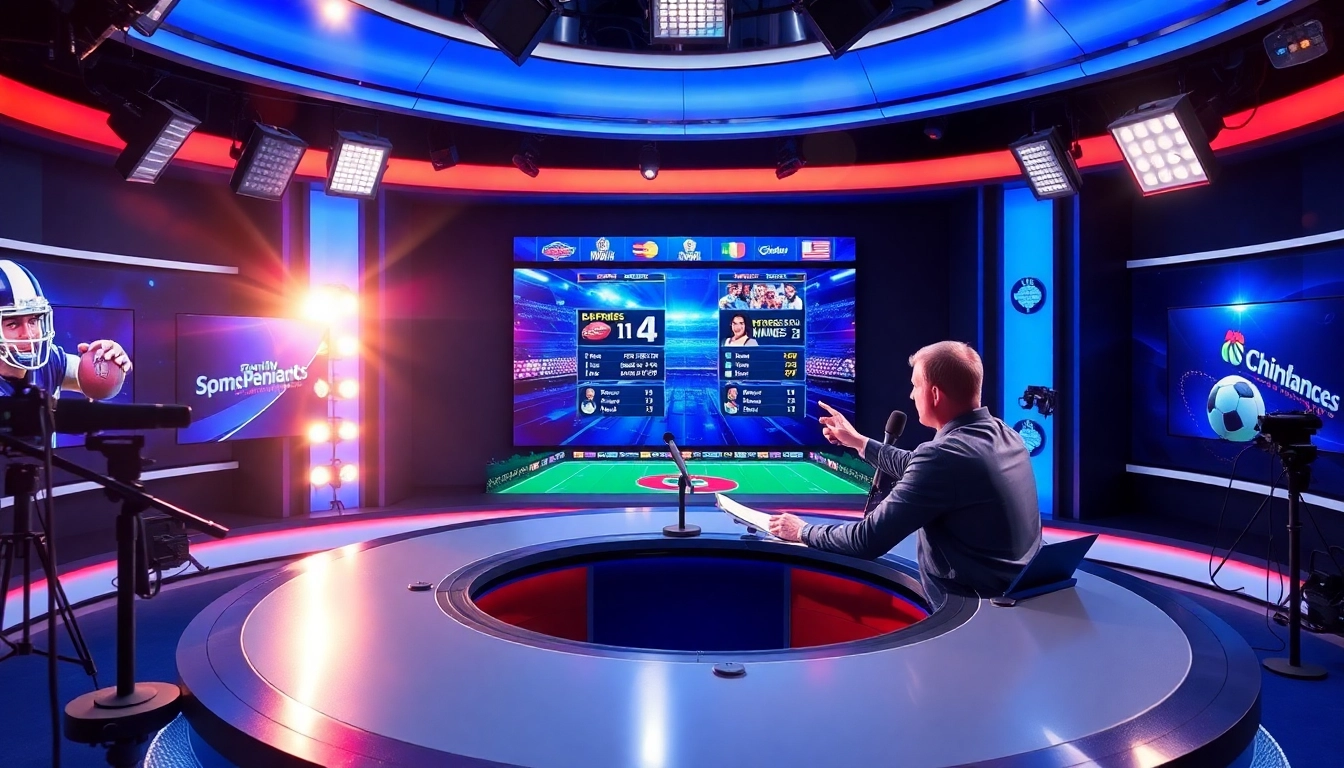
The Evolution of Sports Broadcasting
Sports broadcasting has undergone a transformative journey since its inception, significantly influencing how audiences consume sports content. The rise of mass media, technology advancements, and the development of new broadcasting platforms have continually altered the landscape. Understanding this evolution offers a backdrop to the current dynamics of Sports Broadcasting and highlights trends shaping its future.
Historical Milestones in Sports Broadcasting
The journey of sports broadcasting began in the early 20th century, with radio broadcasts emerging as the first medium to bring sports events into homes. The broadcasting of baseball games in 1921 marked a pivotal moment, showcasing the potential for reaching mass audiences. Television followed suit in the 1950s, revolutionizing the way fans experienced sports by providing visuals and live commentary. Iconic events like the Super Bowl and the FIFA World Cup became benchmarks for live broadcasting, generating unparalleled viewership and advertising revenue.
Impact of Technology on Sports Broadcasting
Advancements in technology have been at the forefront of the evolution of sports broadcasting. The introduction of color television and satellite broadcasting in the late 20th century allowed viewers to experience games in vivid detail. The digital revolution further transformed broadcasting, leading to high-definition (HD) and ultra-high-definition (UHD) broadcasts, providing audiences with an immersive viewing experience. The rise of mobile technology and the internet has enabled fans to watch games on-the-go, facilitating a shift towards flexible viewing options.
The Role of Streaming Services in Sports Broadcasting
In recent years, streaming services have become major players in the sports broadcasting arena. Platforms like ESPN+, Amazon Prime Video, and others have carved out niches by offering dedicated sports content. The convenience of on-demand viewing, coupled with the ability to stream across multiple devices, appeals to a tech-savvy generation. This shift is forcing traditional broadcasters to adapt or risk losing viewers, creating a highly competitive marketplace.
Current Trends in Sports Broadcasting
Today, the sports broadcasting landscape is marked by a fundamental shift towards digital platforms and innovative engagement strategies aimed at enhancing viewer interaction and experience.
Transition to Digital Platforms
The transition from traditional cable television to digital platforms has accelerated significantly. Viewers are increasingly opting for subscription-based services that offer flexibility and curated sports content. This trend is particularly evident among younger demographics, who prefer the ability to choose what they watch and when. As a result, legacy networks are re-evaluating their distribution strategies, often launching their own streaming services to retain viewership and ad revenue.
Incorporating Augmented Reality in Sports Broadcasting
Augmented reality (AR) is reshaping how fans engage with sports broadcasts. AR technology enhances live coverage by integrating virtual elements with real-world scenes, creating an interactive viewing experience. For instance, real-time stats and player analytics can be displayed during broadcasts, providing viewers with insightful context. As AR technology continues to evolve, its integration into sports broadcasting will likely become more prevalent, offering innovative ways to enhance the viewer experience.
Audience Engagement Strategies in Sports Broadcasting
Engaging audiences is crucial for retaining viewership in the saturated sports broadcasting market. Successful strategies often involve integrating interactive features such as polls, live chats, and social media interactions during broadcasts. By facilitating a two-way communication channel, broadcasters can enrich the viewing experience and foster a sense of community among fans. This level of engagement helps broadcasters differentiate themselves and strengthens viewer loyalty.
Challenges Facing Sports Broadcasting
Despite its growth, the sports broadcasting industry faces several challenges that could impact its future trajectory. Understanding these challenges is essential for broadcasters looking to innovate and adapt.
Regulatory Issues in Sports Broadcasting
Regulations surrounding sports broadcasting can be complex and often vary by region, affecting rights acquisition, content distribution, and advertising practices. Broadcasters must navigate these regulatory landscapes carefully to ensure compliance while maximizing their reach. Legal challenges may arise, such as disputes over broadcasting rights, which can impact revenue and viewer satisfaction.
Content Accessibility and Inclusivity in Sports Broadcasting
Creating accessible content is an ongoing challenge in sports broadcasting. Efforts must be made to accommodate diverse audiences, including those with disabilities. Providing closed captions, audio descriptions, and content in multiple languages are essential considerations for broadcasters seeking to reach a wider audience. Inclusivity should not be an afterthought but a fundamental aspect of broadcasting strategy.
Competition from Non-Traditional Sports Broadcasting
The rise of non-traditional sports broadcasters, including social media platforms and user-generated content channels, poses a significant competitive threat. These platforms often attract younger audiences with engaging, informal content that traditional broadcasters struggle to replicate. To stay relevant, traditional broadcasters must innovate and strategically leverage their established brands while competing with the dynamism of non-traditional platforms.
Best Practices for Effective Sports Broadcasting
Implementing best practices is key to successful sports broadcasting. Broadcasters can enhance viewer satisfaction and retain loyal audiences through strategic planning and execution.
Integrating Live Social Media Interactions
Leveraging social media interactions in live broadcasts can promote viewer engagement and community building. By encouraging viewers to share their thoughts, predictions, and reactions through social media, broadcasters can create a dynamic viewing atmosphere. Incorporating user-generated content into broadcasts adds authenticity, making the viewing experience more relatable and enjoyable.
Optimizing Broadcast Schedules for Global Audiences
With sports fans spread across the globe, optimizing broadcast schedules is critical. Broadcasters should consider time zone differences and local preferences when scheduling events. Offering flexible viewing options, such as replays and highlight packages, caters to varying audience needs and increases content accessibility.
Data Analytics for Enhanced Sports Broadcasting
Harnessing data analytics is vital for improving sports broadcasts. Analyzing viewer preferences, engagement metrics, and demographic information allows broadcasters to tailor content more effectively. Using these insights to inform decisions regarding content, timing, and marketing can help broadcasters maximize their reach and impact.
The Future Landscape of Sports Broadcasting
Looking ahead, the sports broadcasting industry is poised for exciting transformations driven by technology, viewer preferences, and market dynamics.
Emerging Technologies Shaping Sports Broadcasting
Emerging technologies, including artificial intelligence (AI), machine learning, and virtual reality (VR), are set to revolutionize sports broadcasting. AI can help enhance production quality, automate content curation, and personalize viewer experiences. Meanwhile, VR offers immersive experiences that can transport fans into the game, providing unique angles and access points that traditional broadcasting cannot match.
Predictions on Viewership Trends in Sports Broadcasting
As younger audiences become increasingly engaged, viewership trends will likely shift toward digital and mobile platforms. The demand for personalized and interactive content is expected to grow, prompting broadcasters to innovate dynamically. Traditional linear broadcasts may continue to decline in favor of bespoke streaming experiences tailored to individual viewer preferences.
Preparing for the Next Generation in Sports Broadcasting
To remain competitive, broadcasters must continuously adapt to industry changes and viewer expectations. This includes investing in new technologies, fostering partnerships with innovative platforms, and prioritizing audience engagement. Next-generation sports broadcasting will focus on creating immersive experiences that facilitate deeper connections between fans and their favorite sports.
Frequently Asked Questions
1. What is the future of sports broadcasting?
The future of sports broadcasting is expected to be dominated by digital platforms, with advanced technologies like AI and VR enhancing viewer experiences.
2. How are streaming services affecting sports broadcasting?
Streaming services are changing the sports broadcasting landscape by offering flexible, on-demand viewing options and competing directly with traditional broadcasters.
3. What are the biggest challenges for sports broadcasters today?
Key challenges include regulatory issues, ensuring content accessibility, and competing with non-traditional broadcasters for audience attention.
4. How can data analytics improve sports broadcasting?
Data analytics can help broadcasters understand viewer preferences, improving content targeting and engagement through tailored programming and marketing strategies.
5. Why is audience engagement important in sports broadcasting?
Engaging the audience fosters loyalty, creating a community around broadcasts and enhancing the overall viewing experience, crucial for sustaining viewership.