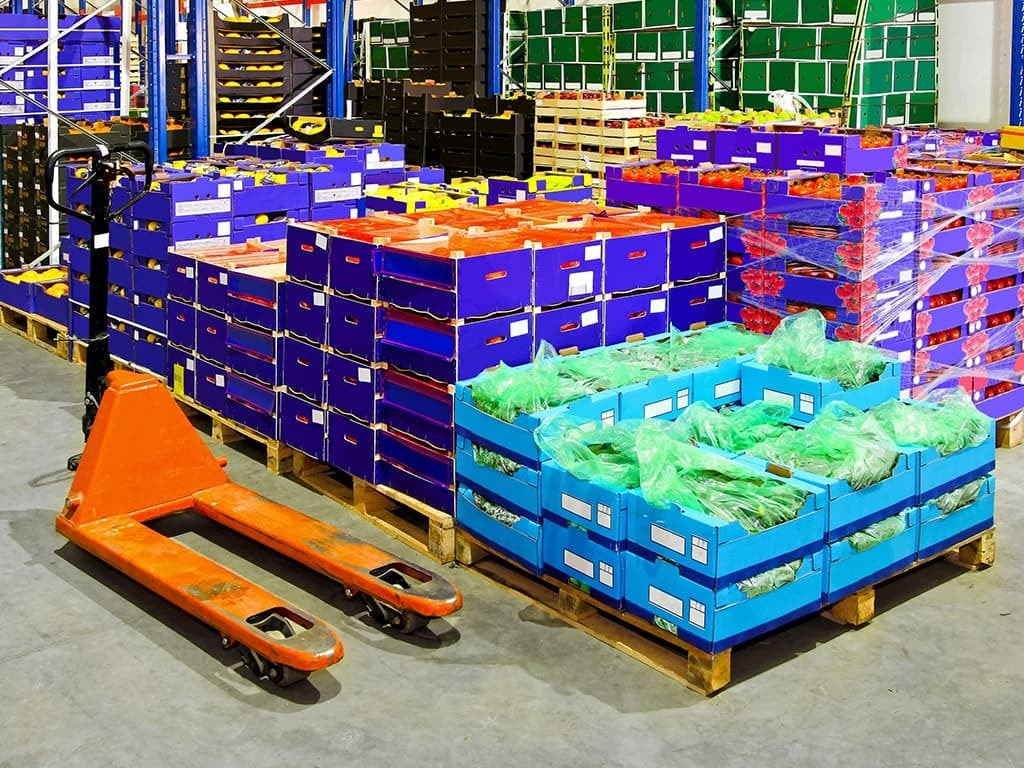
Understanding the Purpose of a Warehouse
Definition and Importance of Warehousing
A warehouse is a critical facility utilized for storing goods, which plays a significant role in the supply chain and logistics sectors. It aids manufacturers, exporters, importers, wholesalers, and retailers in managing their inventory efficiently. Warehouses function as transitional points where products are held until they are needed downstream, allowing businesses to maintain strategic reserves while minimizing storage costs. The importance of warehousing extends beyond mere storage—it encompasses inventory management, order fulfillment, and facilitation of goods flow.
Types of Warehouses and Their Functions
Warehouses come in various forms, tailored to different operational needs and industries. Here are some common types:
- Private Warehouses: Owned and operated by a company to store its own products, often used by large manufacturers and retailers.
- Public Warehouses: These facilities are operated as independent businesses, allowing multiple clients to store their goods for a fee, ideal for smaller companies needing flexibility.
- Distribution Centers: Focused on the rapid movement of goods, these warehouses are strategically located near major markets to enhance shipping times and efficiency.
- Climate-Controlled Warehouses: Designed for temperature-sensitive products, these warehouses maintain specific conditions for items like pharmaceuticals, food, and chemicals.
- Automated Warehouses: Utilize advanced technology to manage and handle inventory, including robotics and AI systems, enhancing efficiency and reducing human error.
Common Industries Utilizing Warehouses
Warehouses are integral to many industries, including:
- Retail: Physical stores and e-commerce platforms rely on warehouses for inventory storage and distribution, ensuring timely delivery to consumers.
- Manufacturing: Factories use warehouses to store raw materials and finished products, facilitating seamless production cycles.
- Food and Beverage: Distribution of perishable goods relies on climate-controlled warehouses to ensure product freshness and compliance with safety standards.
- Pharmaceuticals: Regulatory requirements dictate strict standards in warehouses handling medical supplies, necessitating advanced inventory management practices.
- Automotive: Spare parts and components are often held in warehouses to support manufacturing and repair services efficiently.
Key Features of Modern Warehouse Design
Layout Optimization for Space Efficiency
Modern warehouse design prioritizes layout to maximize space and operational efficiency. Key elements include:
- aisle-width optimization: Assessing the width of aisles for efficient movement of personnel and equipment while considering the need for access to stored goods.
- Vertical Storage: Utilizing vertical space with multi-tier racking systems increases storage capacity without expanding the warehouse footprint.
- Flow Design: Implementing a design that supports systematic flow of goods—from receiving to storage, and from picking to shipping—reduces handling times.
Technology Integration in Warehousing Systems
The adoption of technology in warehousing means greater efficiency, accuracy, and flexibility. Notable technologies include:
- Warehouse Management Systems (WMS): Software solutions that provide tools for inventory management, order processing, and labor management, enabling facilities to optimize performance.
- Barcode Scanning and RFID: These technologies enable accurate tracking and management of inventory, reducing the chances of lost or misplaced items.
- Automation and Robotics: Automated picking systems and robotic vehicles assist in improving efficiency and minimizing the physical strain on human workers.
Safety Measures in Warehouse Operations
Implementing robust safety measures in warehouses is vital for preventing accidents and injuries. Important practices include:
- Regular Safety Training: Ongoing educational programs to train staff in safe warehouse practices and emergency protocols.
- Equipment Maintenance: Regular checks and maintenance of equipment such as forklifts, conveyor belts, and shelving units to ensure safety compliance.
- Clear Signage: Utilization of signs to guide pedestrians and vehicle traffic can decrease accident rates and ensure a safer working environment.
Warehouse Management Best Practices
Inventory Control Techniques
Effective inventory management is crucial for maintaining optimal stock levels and reducing costs. Best practices include:
- ABC Analysis: Categorizing inventory based on importance, allowing focus on high-value items and more intensive management of critical stock.
- Just-In-Time (JIT) Inventory: A strategy that reduces holding costs by receiving goods only as they are needed in the production process.
- Cycle Counting: Frequent audits of a portion of inventory, rather than a complete inventory count, to identify discrepancies and improve inventory accuracy.
Workflow Optimization Strategies
Streamlining operations within a warehouse can enhance productivity. Strategies include:
- Standard Operating Procedures (SOP): Developing and implementing SOPs ensures consistency in operations and allows for smoother training of new employees.
- Task Assignment: Assigning specific roles and responsibilities can help optimize staff efficiency and balance workloads effectively.
- Data Analytics: Leveraging data analysis to track productivity trends, performance metrics, and identify areas for improvement within processes.
Training and Development for Warehouse Staff
Investing in employee training not only boosts morale but also enhances operational efficiency. Comprehensive training programs should include:
- Safety Protocols: Training staff on safety regulations and emergency procedures helps prevent workplace injuries.
- Equipment Usage: Providing training on the proper use of equipment such as forklifts and pallet jacks minimizes accidents and ensures optimal performance.
- Software Training: Familiarizing employees with warehouse management systems and inventory tracking software optimizes daily operations and minimizes errors.
Challenges in Warehouse Management
Common Problems Faced by Warehouse Operators
Warehouse operations can readily encounter challenges such as:
- Order Fulfillment Errors: Mistakes in picking orders can lead to returns and unhappy customers. Implementing technology such as barcode scanning can help mitigate this risk.
- Inefficient Layouts: Poorly designed layouts can result in wasted time and increased labor costs. Analyzing workflows and redesigning spaces can alleviate these inefficiencies.
- Staff Turnover: High turnover rates can hinder operations and lead to increased training costs. A focus on employee engagement and satisfaction is vital to retain skilled workers.
Impact of E-commerce on Warehousing
The rise of e-commerce has dramatically transformed warehousing, leading to challenges, including:
- Increased Demand for Speed: E-commerce orders often require faster fulfillment, putting pressure on warehouse operations to adapt quickly to consumer expectations.
- Inventory Management Complexity: The variety of products and custom orders complicates inventory tracking, leading to more sophisticated inventory techniques being necessary.
- Last-Mile Delivery Challenges: Efficiently managing the final delivery stage from warehouse to consumer presents logistical hurdles that must be addressed.
Solutions for Increasing Efficiency
To counteract challenges in warehousing, businesses can implement several strategies:
- Invest in Technology: Utilizing automated systems and AI enhances operational efficiency and accuracy in inventory management.
- Optimize Inventory Levels: Conduct regular reviews of inventory management practices to align stock levels with demand forecasts.
- Improve Communication: Establish clear lines of communication among warehouse staff and between departments to facilitate smoother workflows and resolve issues quickly.
The Future of Warehousing: Trends to Watch
Emerging Technologies Shaping Warehousing
Technological advancements will continue to influence the future of warehousing, including:
- Artificial Intelligence (AI): AI’s capabilities in data analysis and predictive modeling will enable smarter inventory systems and more efficient operations.
- Blockchain Technology: Its ability to provide transparent tracking of goods can enhance security and trust in the supply chain.
- Drone Usage: Drones can expedite inventory reporting, reducing labor costs and improving efficiency in logistical operations.
Sustainability Practices in Warehouse Operations
As environmental awareness grows, sustainability measures will become a focus area for warehouses. Solutions include:
- Energy Efficiency Improvements: Implementing energy-efficient fixtures and practices to reduce overall energy consumption and costs.
- Waste Reduction Programs: Establishing systems for recycling and responsibly managing materials to minimize environmental impact.
- Green Transportation Options: Utilizing sustainable transportation methods for shipping goods to reduce carbon footprint and increase efficiency.
The Role of Automation in Warehousing
Automation will play an increasingly pivotal role in modern warehouses through:
- Automated Guided Vehicles (AGVs): These machines will handle repetitive tasks such as moving goods within the warehouse, enhancing efficiency.
- Robotics in Picking and Sorting: Robotic systems will reduce manual labor requirements and improve speed and accuracy in processing orders.
- Smart Shelves: Shelving systems equipped with sensors can monitor stock levels in real-time, feeding data back to inventory management systems.