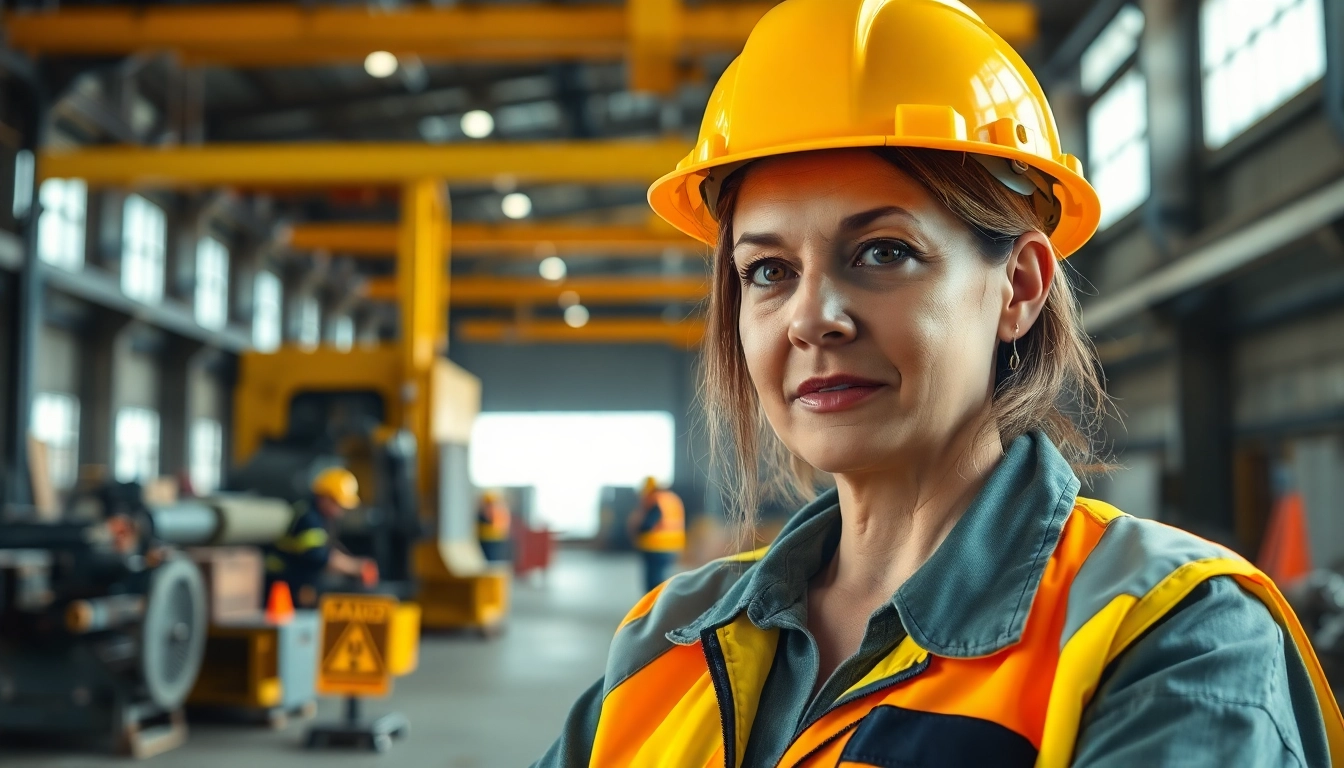

Understanding the Modern Steel Mill
What is a Modern Steel Mill?
A modern steel mill is an advanced facility designed to produce steel and its alloys with enhanced efficiency, lower emissions, and high-quality standards. These mills operate using state-of-the-art technologies and automated systems to streamline production processes, from raw material handling to the finished steel product. The aim is to meet the growing global demand for steel while minimizing environmental impact. A modern steel mill incorporates several innovative features, including electric arc furnaces, continuous casting methods, and integrated recycling systems.
Historical Evolution of Steel Production
The evolution of steel production traces back thousands of years, beginning with simple wrought iron techniques and advancing through the industrial revolution. In the 19th century, the Bessemer process revolutionized steelmaking by enabling mass production and reducing costs. Fast forward to the 20th century, the introduction of electric arc furnaces marked a turning point, allowing for the recycling of scrap steel and greater flexibility in production. Today, modern steel mills leverage digital technology and sustainable practices to further refine the production process.
Benefits of Modern Steel Mills
Modern steel mills offer several benefits compared to traditional steelmaking methods. Key advantages include:
- Efficiency: Automation and advanced machinery maximize operational efficiency and reduce labor costs.
- Environmental Sustainability: The use of recycled materials and reduced emissions aligns with global sustainability goals.
- Product Quality: Improved metallurgical processes ensure consistent quality in steel products, meeting rigorous industrial standards.
- Cost-Effectiveness: Innovations in production reduce energy consumption and material waste, lowering overall production costs.
Key Technologies in Modern Steel Mills
Automation and Control Systems
Automation is a cornerstone of modern steel mills. Control systems optimize every stage of the steelmaking process, from raw material handling to quality control. Advanced sensors and IoT devices gather real-time data to ensure precision in operations. Automated guided vehicles (AGVs) streamline material transportation, reducing the potential for human error and improving efficiency. These systems not only enhance production rates but also provide valuable analytics for continuous improvement.
Recycling and Sustainable Practices
Recycling plays a critical role in modern steel production. Electric arc furnaces allow for the efficient melting of scrap steel, which constitutes a significant portion of the raw material input in many mills. This process drastically reduces energy consumption compared to traditional coke-based blast furnaces. Additionally, many modern steel mills employ closed-loop water systems and emission capture technologies, minimizing waste and environmental impact while reinforcing their commitment to sustainable practices.
Advanced Metallurgy Techniques
Metallurgy has advanced significantly, enhancing the properties of steel and catering to specific application needs. Techniques such as vacuum degassing and ladle refining produce high-purity steel with controlled chemical composition. Advanced coatings and alloying methods allow for the production of specialized steel types, such as high-strength low-alloy steels, designed for demanding applications in construction, automotive, and aerospace industries. These innovations ensure that the steel produced can withstand extreme stress and varying environmental conditions.
Challenges Faced by Modern Steel Mills
Environmental Regulations and Compliance
As modern steel mills strive for sustainability, they encounter numerous environmental regulations. Compliance with stringent emission standards requires continuous investment in technology and process adjustments. The need for transparency and reporting adds complexity to operations, requiring mills to integrate environmental management systems that track emissions, waste, and resource use effectively. Balancing productivity with environmental goals is an ongoing challenge that demands innovative solutions.
Market Competition and Pricing Pressures
The global steel market is characterized by intense competition and fluctuating prices influenced by demand, geopolitical issues, and raw material availability. Modern steel mills must remain agile, adapting quickly to market conditions to sustain profitability. This often means investing in technology to optimize costs and maintain high standards, even during periods of economic uncertainty. Competitive pricing strategies become essential for retaining market share and customer loyalty.
Supply Chain Vulnerabilities
Modern steel mills depend on complex global supply chains for raw materials, which can pose vulnerabilities. Disruptions in supply due to geopolitical tensions, trade tariffs, and logistical challenges can hinder operations. Diversifying sources of materials and incorporating digital supply chain management tools can mitigate these risks. Additionally, building strong relationships with suppliers and engaging in strategic long-term contracts can help ensure stability in the supply of critical raw materials.
Future Trends in Modern Steel Mills
Emerging Technologies
The future of modern steel mills will be increasingly shaped by emerging technologies. Innovations such as artificial intelligence (AI) and machine learning are poised to revolutionize processes by enhancing decision-making and predictive maintenance. Smart manufacturing, where interconnected systems communicate seamlessly, will allow for more responsive production capabilities. The adoption of blockchain technology for supply chain transparency could also significantly impact operational efficiency and trust in the steel supply chain.
Shifts Towards Green Manufacturing
As global environmental concerns escalate, steel mills are shifting towards more sustainable manufacturing practices. Investing in hydrogen-based steel production presents a promising alternative to conventional methods, drastically reducing carbon emissions. Furthermore, mills are exploring carbon capture and storage (CCS) technologies as part of their strategy to minimize their carbon footprint. This commitment to green manufacturing not only aligns with regulatory requirements but also meets consumer demand for environmentally responsible products.
Global Market Trends
Global market trends indicate a growing demand for high-quality steel driven by urbanization and infrastructure development. Emerging economies are expected to propel steel consumption, while innovations in construction and automotive sectors will necessitate stronger, lighter materials. Steel mills will need to adapt their offerings to remain competitive, focusing on research and development to create advanced materials tailored to emerging applications. Understanding these trends will be pivotal for mills aiming for long-term growth in a dynamic market.
FAQs About Modern Steel Mill
How does a modern steel mill differ from traditional mills?
Modern steel mills utilize advanced technologies, automation, and sustainable practices, unlike traditional mills that rely on outdated methods and processes, leading to greater efficiency and lower environmental impact.
What role does automation play in modern steel mills?
Automation enhances operational efficiency by optimizing production processes, improving precision, and reducing labor costs through the use of intelligent systems and control technologies.
Are modern steel mills environmentally friendly?
Yes, modern steel mills prioritize environmental sustainability by implementing recycling processes, reducing emissions, and utilizing technologies that minimize waste and conserve resources.
What is the significance of recycling in steel production?
Recycling is crucial as it lowers energy consumption, reduces the need for raw materials, and minimizes environmental impact, making it a pivotal aspect of modern steel production.
What future innovations are expected in steel manufacturing?
Future innovations will likely include the adoption of AI, hydrogen-based production methods, advanced metallurgy techniques, and enhanced sustainability practices to meet evolving market demands.